 Vietnam
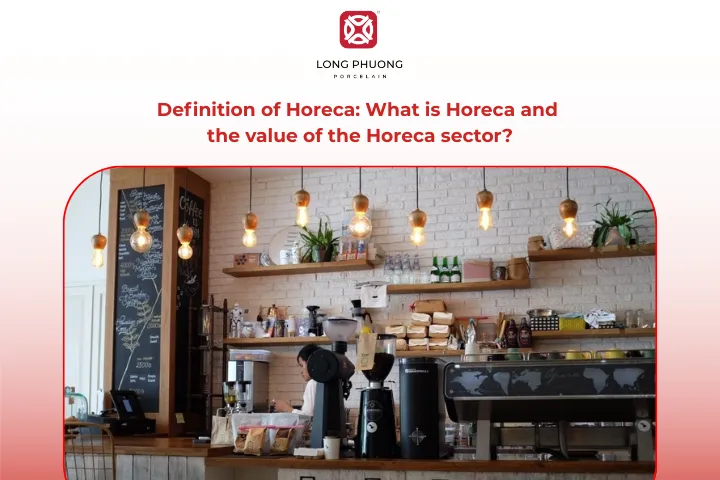
In recent years, the Horeca sector has played a key role in enhancing travel and dining experiences while contributing significantly to tourism and local economic growth. So, what is Horeca exactly? Let’s explore the definition of Horeca and Horeca meaning with Long Phuong Porcelain.
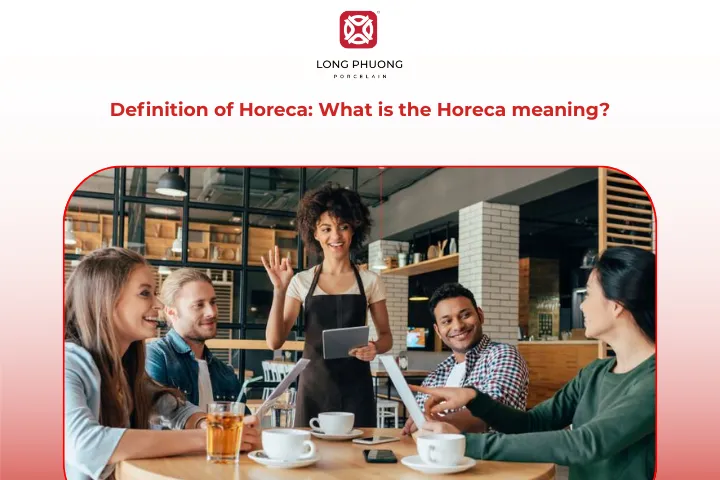
1. Definition of Horeca: What is the Horeca meaning?
The term Horeca stands for Hotels, Restaurants, and Cafés or Catering. At its core, the definition of Horeca represents the businesses that focus on serving people through experiences. The Horeca sector brings together a wide range of services that make travel, dining, and social life more enjoyable and accessible.
The definition of Horeca has also become a key business category for suppliers, investors, and policymakers. When companies refer to the Horeca market, they are talking about a powerful network that links everything from hotel chains and restaurants to beverage suppliers and equipment manufacturers.
2. The origins of Horeca definition
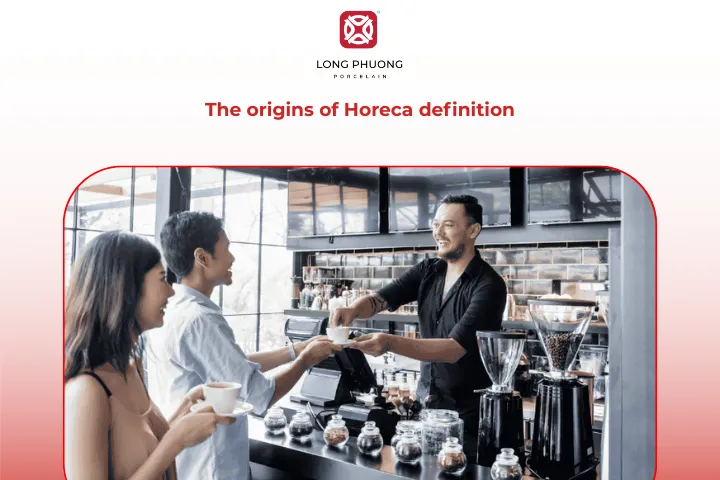
The definition of Horeca first appeared in the Netherlands to describe businesses related to hospitality and food service. It was created by combining the first two letters of Hotels, Restaurants, and Cafés, though in some regions, “Cafés” was later replaced with “Catering” to fit local markets.
Originally, the definition of Horeca served a simple purpose. Businesses, trade organizations, and suppliers needed a single word to describe this diverse yet connected group of industries. Instead of listing hotels, restaurants, and cafés separately, they began using “Horeca” as a collective term.
As international trade grew, the Horeca meaning spread across Europe and became recognized around the world. Today, the definition of Horeca is widely used by governments, analysts, and companies to describe one of the largest service sectors on the planet.
3. The core components of Horeca
3.1. Hotels
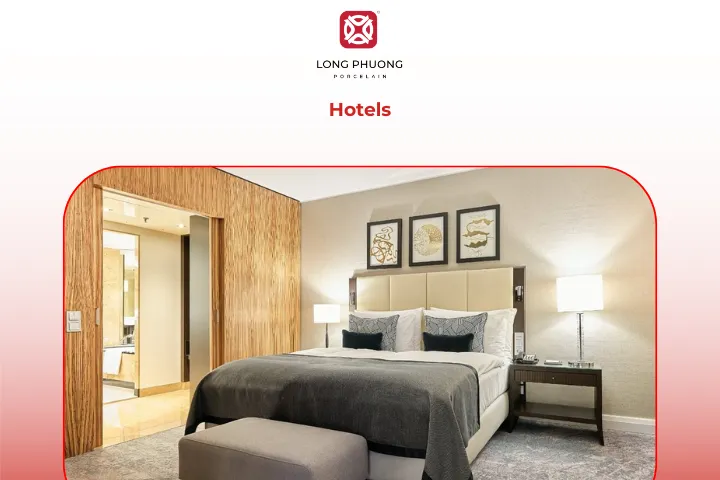
Hotels provide travelers with a place to rest, relax, and feel at home while away from home. From luxury resorts to budget-friendly motels, this sector covers a wide range of accommodations for every need and budget. Hotels also drive tourism and local development. A new hotel can create jobs, attract visitors, and support nearby businesses such as shops, tour companies, and restaurants.
3.2. Restaurants
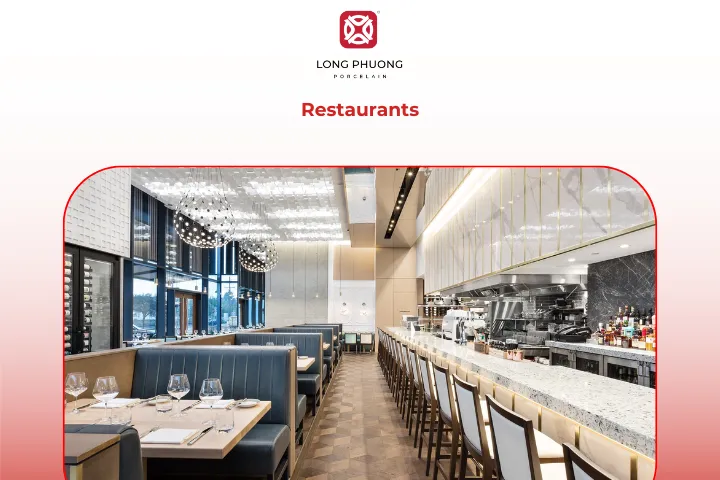
Restaurants are where people hold meetings and enjoy meals. The variety is endless, from fine dining establishments to street food vendors. This sector thrives on creativity and innovation. New culinary trends such as farm-to-table dining, vegan menus, and global fusion cuisines continue to reshape how people experience food. Beyond just serving meals, restaurants create experiences that reflect culture and emotion.
See more: Common different types of restaurant
3.3. Cafés & Catering
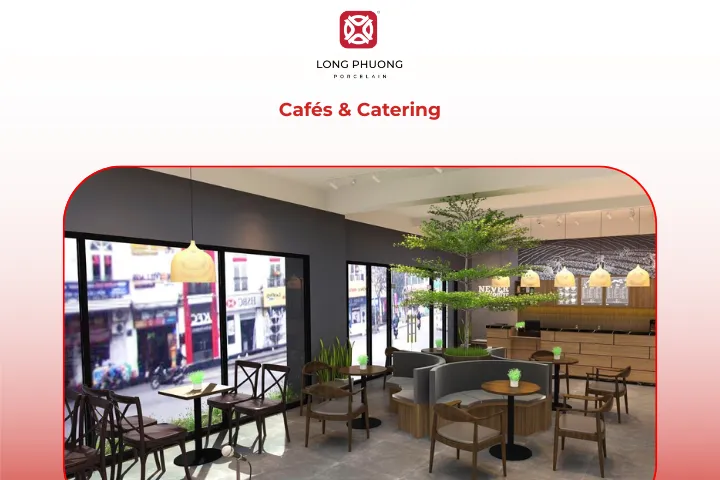
Cafés provide a relaxed space where people meet friends, work remotely, or simply enjoy a quiet moment with a cup of coffee. Catering, on the other hand, takes food service beyond fixed locations, offering professional hospitality at weddings, corporate events, hospitals, and even on airlines. Both segments highlight the adaptability of the Horeca sector. They show how hospitality can meet people wherever they are.
4. Why the Horeca sector matters
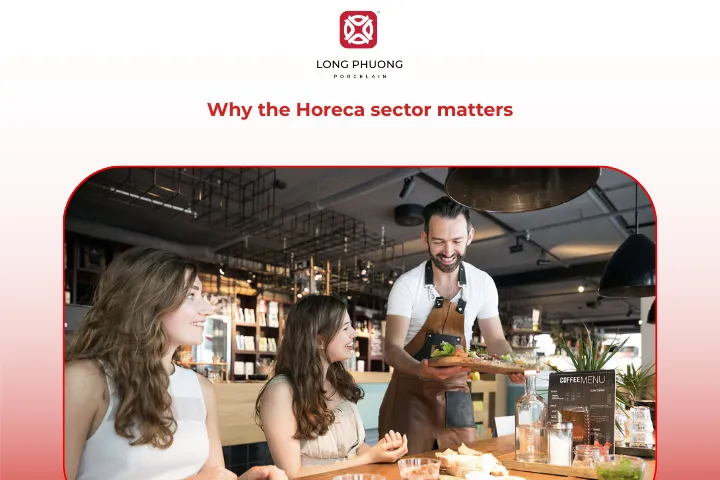
First, Horeca plays a vital role in economies. The Horeca sector generates billions of dollars in annual revenue and stimulates growth across supply chains, from farmers and manufacturers to transport companies.
Second, the Horeca sector is one of the world’s largest employers. It offers jobs for chefs, servers, managers, cleaners, and many others. For many young people, Horeca is the first step into the workforce, helping build skills and grow into long-term careers.
Third, Horeca strengthens tourism and urban development. A thriving hospitality scene attracts visitors, investors, and cultural events that energize local economies. Cities known for their restaurants or hotels often become global destinations.
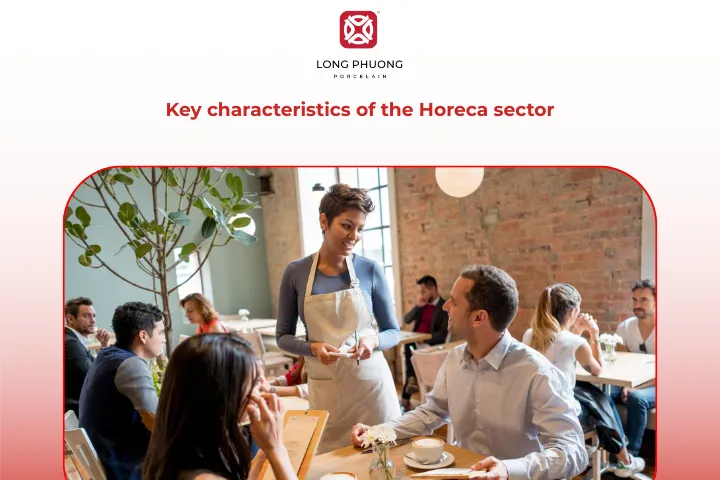
5. Key characteristics of the Horeca sector
The Horeca sector has several defining characteristics that set it apart from other sectors. Here are the most important traits that shape how this sector operates.
- High customer interaction: The Horeca sector is built on direct contact with customers. Every service affects how people feel and whether they return. Human connection is at the heart of success.
- Experience-driven: Horeca is not only about products or services but about creating memorable experiences. Guests do not just buy food or a bed; they buy comfort, taste, and emotion. That is why customer experience is the main priority in every decision.
- Dynamic and seasonal: Demand in this industry changes throughout the year. Hotels are busier during holidays, while restaurants see peak traffic on weekends and special occasions. This constant shift requires flexibility in staffing, inventory, and marketing.
- Innovation-focused: Technology is transforming the Horeca sector. Online booking systems, contactless payments, and smart kitchen equipment have made operations faster and more efficient. Businesses that adopt innovation early often gain a clear advantage.
- Sustainability-minded: More travelers and diners are choosing eco-friendly options. As a result, hotels and restaurants are investing in renewable energy, waste reduction, and local sourcing to meet growing expectations for responsible hospitality.
These characteristics show that Horeca is not a static industry. It evolves continuously to create experiences that meet the needs of today’s global customers.
6. Trends transforming the Horeca sector
The Horeca sector is evolving faster than ever. Understanding these trends helps businesses stay competitive and deliver better experiences to their customers.
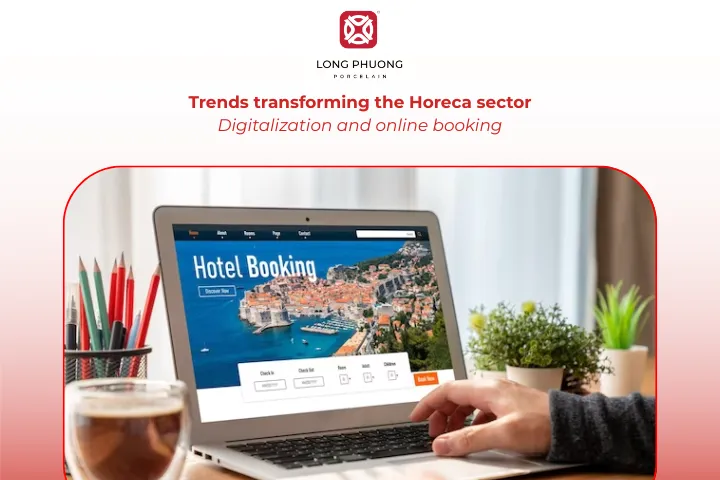
6.1. Digitalization and online booking
Technology has revolutionized every aspect of the Horeca sector. Guests now expect seamless online booking, digital menus, and instant communication with service staff. Restaurants and hotels are using data to personalize offers and predict customer needs more accurately.
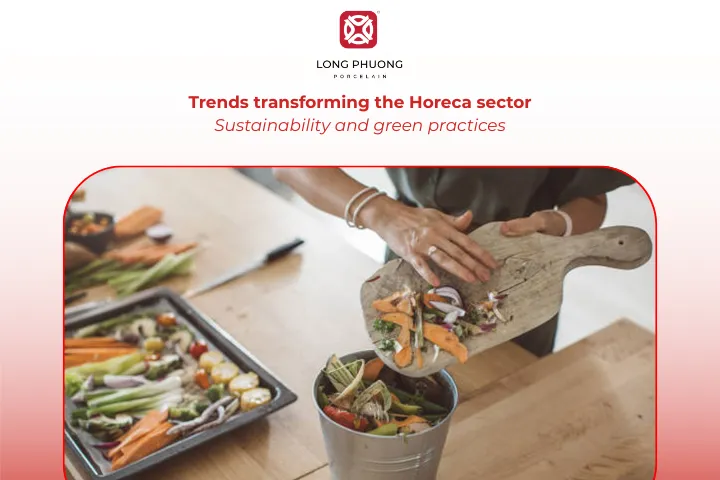
6.2. Sustainability and green practices
Eco-conscious travelers and diners are driving major change. From banning single-use plastics to using renewable energy, businesses are adopting greener practices to appeal to responsible consumers and reduce their environmental footprint.
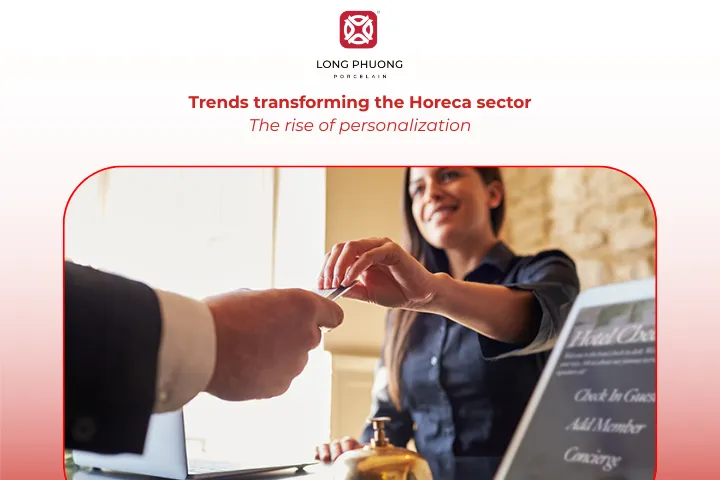
6.3. The rise of personalization
Customers today want more than standard services. They look for experiences tailored to their interests and values. The more personalized the experience, the stronger the emotional connection.
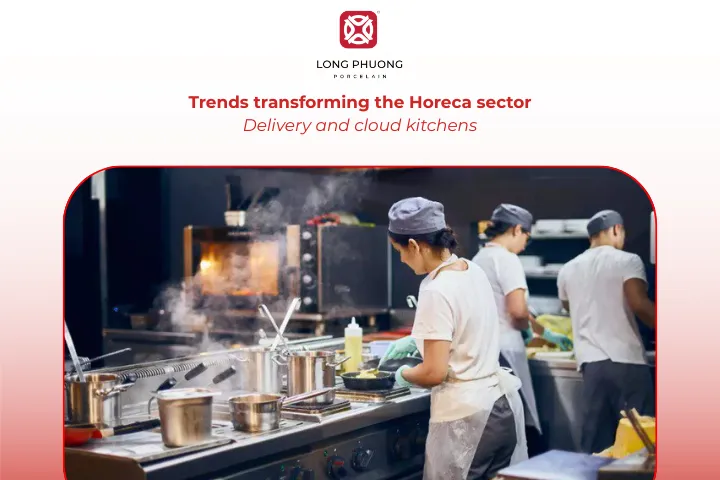
6.4. Delivery and cloud kitchens
The pandemic accelerated the growth of delivery services and virtual restaurants. Cloud kitchens, which operate without dine-in spaces, have opened new opportunities for food entrepreneurs and expanded the reach of existing restaurants.
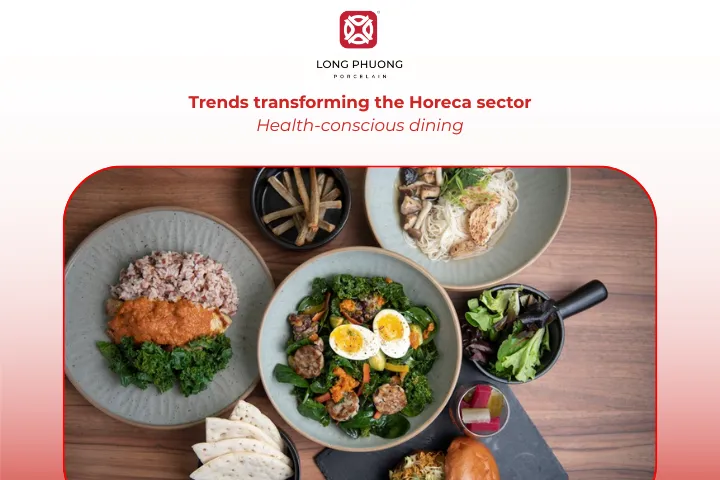
6.5. Health-conscious dining
Wellness has become a major priority for modern consumers. Hotels now include fitness programs and healthy dining options, while restaurants promote organic, vegan, and low-calorie menus to match growing health awareness.
7. What are the customer segments in the Horeca channel?
Horeca businesses typically divide their customers into the following groups:
- Individual customers: Domestic and international travelers, or anyone dining or staying at hotels, restaurants, or cafés.
- Corporate and event clients: Customers who use Horeca services to host events, conferences, workshops, or parties for business teams and partners.
- Groups and families: Customers who travel together or organize celebrations such as birthdays, anniversaries, or gatherings at restaurants and cafés.
8. Challenges faced by the Horeca sector
While the Horeca sector continues to expand, it also faces a range of challenges that test its adaptability and resilience.
8.1. Labor shortages and staff retention
The Horeca sector demands long hours, emotional resilience, and top-tier customer service. Since the pandemic, many workers have left the industry for more stable jobs, leaving Horeca businesses struggling to fill critical positions.
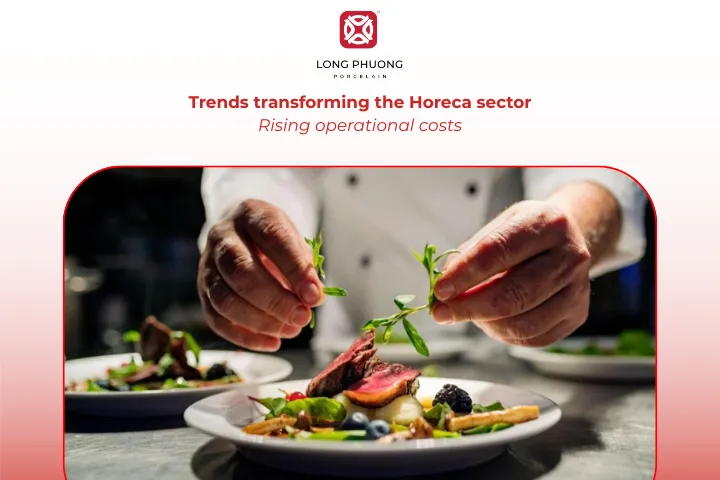
8.2. Rising operational costs
Inflation, higher energy prices, and supply chain disruptions have made it more expensive to run Horeca businesses. Ingredients, utilities, and maintenance costs are climbing steadily, forcing many operators to raise prices or reduce portions to maintain profit margins.
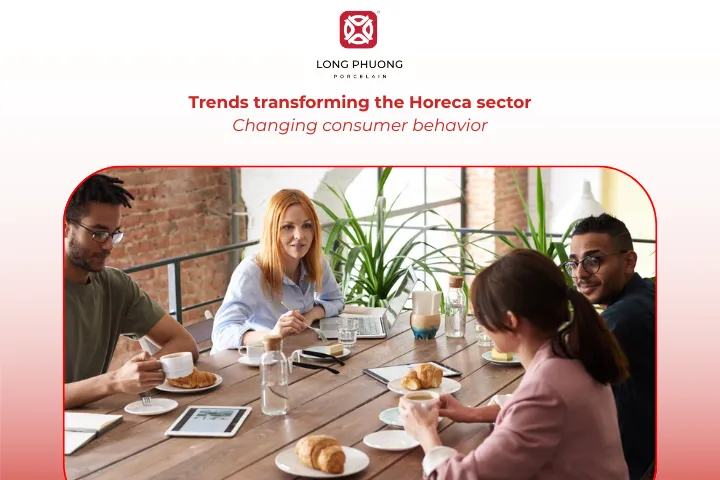
8.3. Changing consumer behavior
Guests today are more informed and selective than ever. They compare reviews online, seek transparency about sourcing and sustainability, and demand seamless service. Businesses that fail to meet these expectations risk losing loyalty in an instant.
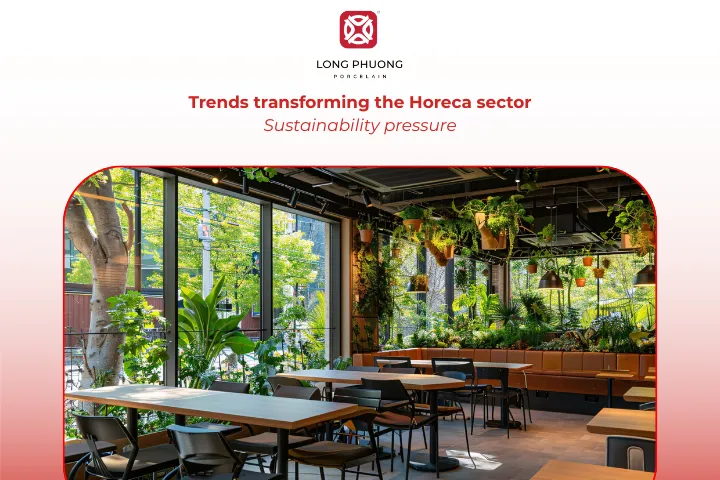
8.4. Sustainability pressure
While eco-friendly operations attract customers, implementing sustainable practices can be costly. Transitioning to renewable energy, waste reduction systems, or ethical sourcing often requires significant investment that small and mid-sized businesses may struggle to afford.
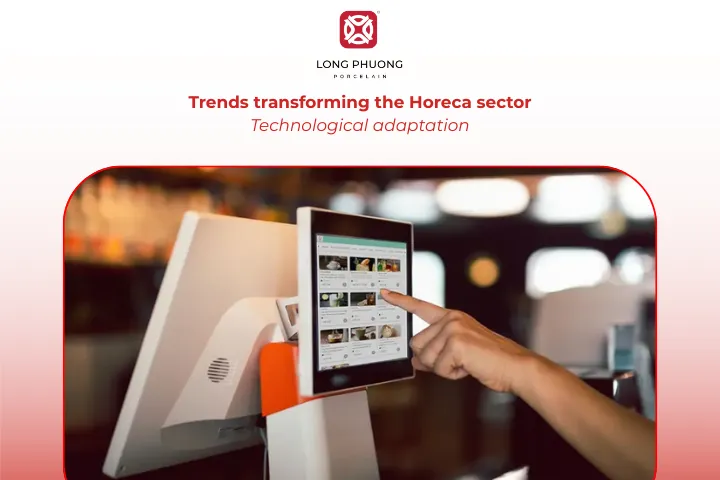
8.4. Technological adaptation
Digital transformation is essential, but not all businesses can keep up. Smaller establishments often lack the resources or expertise to adopt new tools like AI-powered booking systems or smart kitchen technology, putting them at a competitive disadvantage.
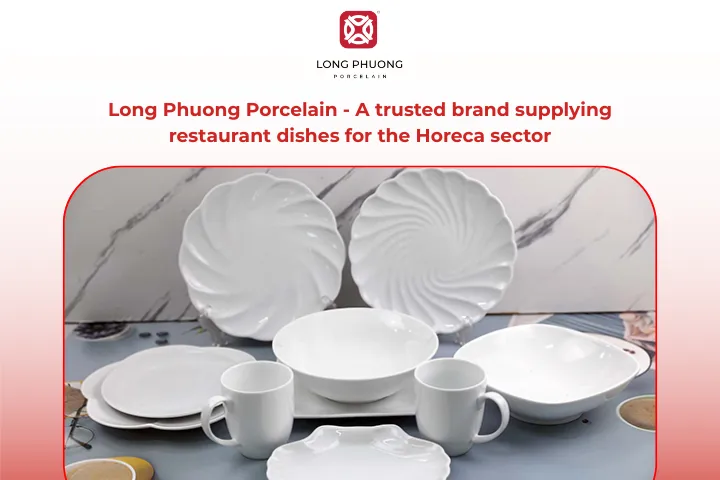
11. Long Phuong Porcelain – A trusted brand supplying restaurant dishes for the Horeca sector
Long Phuong Porcelain is a reputable brand in supplying tableware and dining utensils for the Horeca sector. With over 20 years of experience, Long Phuong has proven its quality and reliability, providing high-end porcelain products that meet the needs of both domestic and international customers.
11.1. Long Phuong’s competitive advantages
- Guaranteed quality: Long Phuong only produces and supplies high-quality porcelain that meets food safety and consumer health standards.
- Wide product selection: From plates and bowls to dining utensils and related accessories, Long Phuong offers a diverse range for Horeca businesses.
- Professional service: Long Phuong not only supplies products but also advises customers on effective and cost-saving usage.
- Large order fulfillment: With high production capacity and a wide distribution network, Long Phuong can handle large orders.
- Warranty and after-sales support: Long Phuong offers long-term product warranties and provides full support for any post-purchase issues.
11.2. Contact Long Phuong Porcelain
For more details and consultation, customers can reach Long Phuong through:
- Website: https://store.longphuong.vn/en/
- Phone: (+84) 989 595 866
- Email: export@longphuong.vn
11.3. Showroom locations
- Hap Linh Industrial Cluster, Hap Linh, Bac Ninh, Vietnam
- 59 Cua Bac, Ba Dinh Ward, Hanoi, Vietnam
- 37 Cua Nam, Cua Nam Ward, Hanoi, Vietnam
- 127 Le Thi Rieng, Ben Thanh Ward, Ho Chi Minh, Vietnam
12. Conclusion
After sharing this analysis on the definition of Horeca, Long Phuong Porcelain hopes the information provided gives readers a deeper understanding of what is Horeca and the Horeca meaning. The Horeca sector continues to grow and offers significant business opportunities for investors and companies. We wish you great success with your business plans.
Related Articles

CEO of Long Phuong Group Joint Stock Company, with more than 20 years of exploration and research to obtain the best formulas and professional experience, Long Phuong Porcelain has produced more than 400 designs of all kinds of household porcelain, Significant contributions to Vietnam's ceramic industry.

