 Vietnam
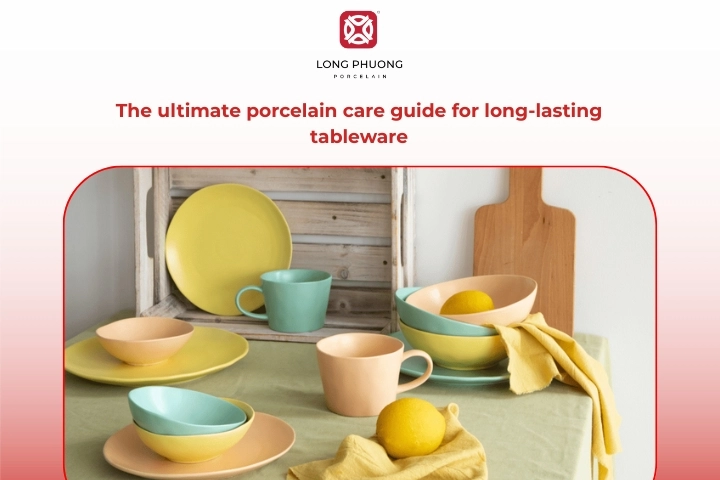
Porcelain tableware is elegant but needs proper care to stay beautiful over time. This porcelain care guide will show you simple and safe ways to clean and maintain your porcelain, so it always looks shiny, smooth, and long-lasting.
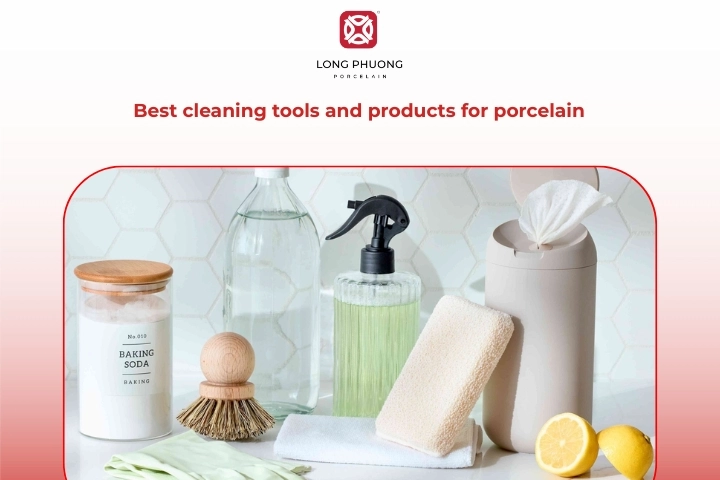
1. Best cleaning tools and products for porcelain
Here is a clear table of the best tools and products for safe porcelain cleaning. Using the right items helps protect the glaze and keeps your tableware looking new for a long time.
| Category | Item | Main Use | Notes |
| Soft cleaning tools | Microfiber cloth | Drying and polishing porcelain surface | Always use a clean, lint-free cloth |
| Soft sponge | Gentle washing without scratching | Avoid rough or abrasive sides | |
| Cleaning solutions | Mild dish soap | Removes grease and food residue | Choose non-strong, non-bleach formulas |
| Warm water | Helps loosen dirt and stains | Avoid sudden temperature changes | |
| Natural cleaners | Baking soda | Removes stains like tea or coffee marks | Use as a gentle paste with water |
| White vinegar | Deep cleaning and odor removal | Always dilute with water before use | |
| Drying tools | Soft dry towel | Final drying step | Prevents water spots and streaks |
2. Step by step how to clean porcelain safely
Cleaning premium tableware does not have to be complicated. Follow this gentle, structured method to protect your investment every time you wash.
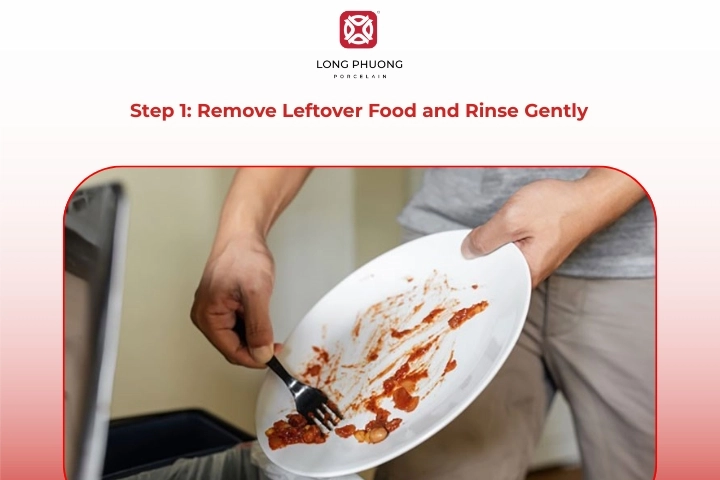
2.1. Step 1: Remove Leftover Food and Rinse Gently
Scrape away food remnants immediately after use. Use a silicone spatula or a soft paper towel instead of metal forks or knives to prevent gray metal scratch marks. Rinse the dishes under lukewarm running water to clear away loose particles.
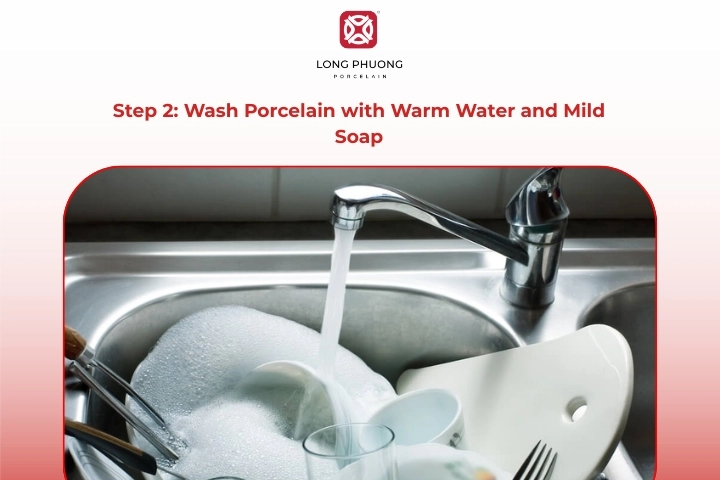
2.2. Step 2: Wash Porcelain with Warm Water and Mild Soap
Fill your sink or a plastic washbasin with warm water. Add a few drops of mild dish soap and mix until soapy. Never use boiling water, as extreme temperature shocks can cause the ceramic body to crack or craze.
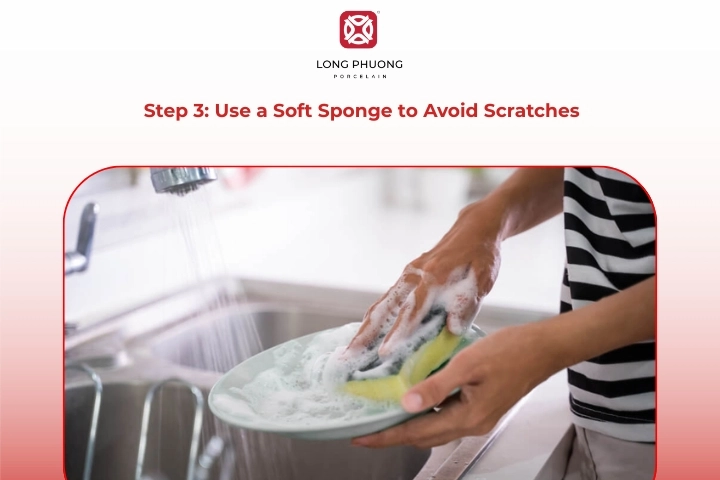
2.3. Step 3: Use a Soft Sponge to Avoid Scratches
Submerge the tableware into the soapy water. Wipe each piece gently using a soft sponge or cloth. Focus on areas with grease build-up, applying light, even pressure.
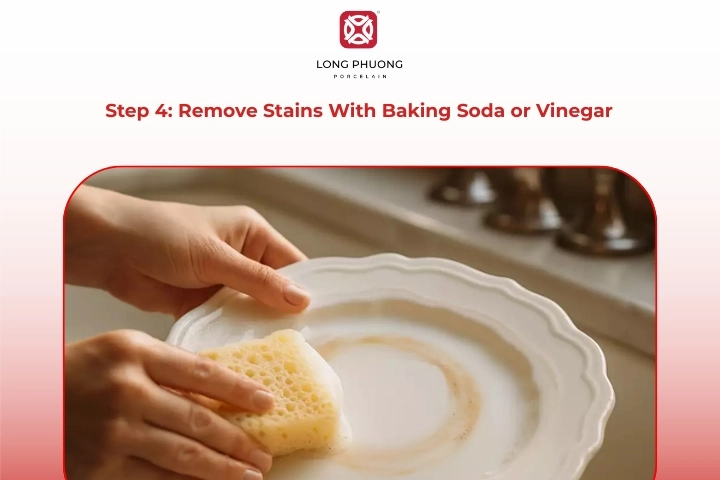
2.4. Step 4: Remove Stains With Baking Soda or Vinegar
If you notice stubborn tea, coffee, or sauce stains, do not scrub harder. Instead, make a smooth paste of baking soda and water, apply it to the stain, and let it sit for 10 minutes before wiping gently. For mineral deposits, wipe the area with a cloth dipped in white vinegar.
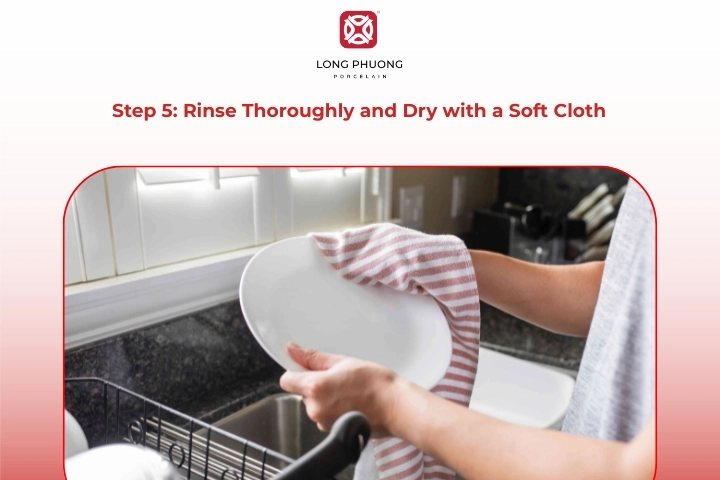
2.5. Step 5: Rinse Thoroughly and Dry with a Soft Cloth
Rinse the tableware under clean, warm running water to remove all soap residues. Dry each piece immediately with a clean microfiber towel. Air-drying can leave unsightly water spots, especially in areas with hard water.
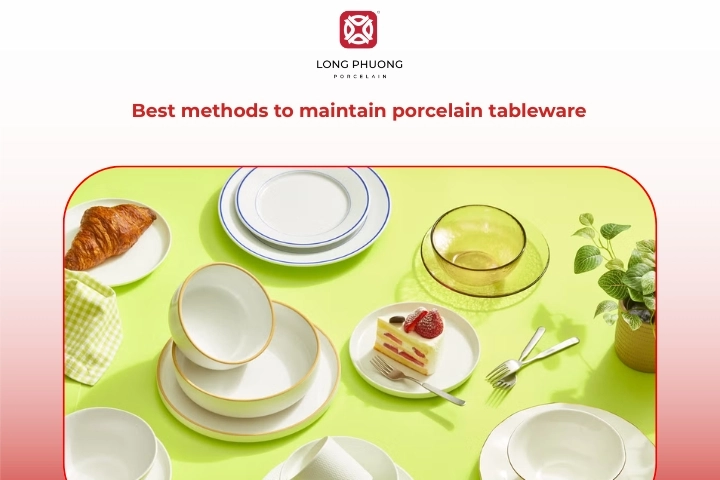
3. Best methods to maintain porcelain tableware
Cleaning is only part of the process. Proper maintenance ensures long-term durability. Here are some simple habits porcelain care guide:
- Store porcelain with soft padding between pieces
- Avoid stacking too tightly
- Keep away from extreme temperature changes
- Use wooden or silicone utensils when serving
- Clean immediately after use when possible
A consistent routine makes a big difference in preserving both appearance and strength.
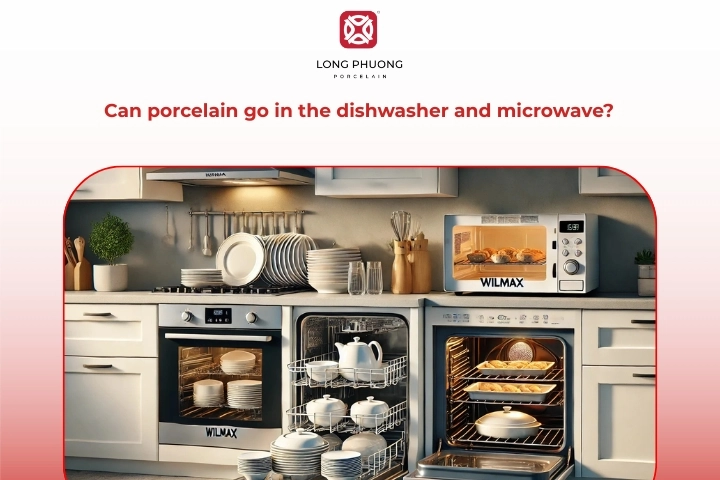
4. Can porcelain go in the dishwasher and microwave?
Most modern porcelain is dishwasher and microwave safe, but not all types are the same.
Dishwasher use:
- Safe if labeled dishwasher-safe
- Use gentle cycle settings
- Avoid high-heat drying modes
Microwave use:
- Safe for pure porcelain without metal decoration
- Avoid sudden temperature shifts (e.g., freezer to microwave)
Always check manufacturer guidelines before use. Even though porcelain is strong, long-term exposure to harsh cycles may reduce its shine.
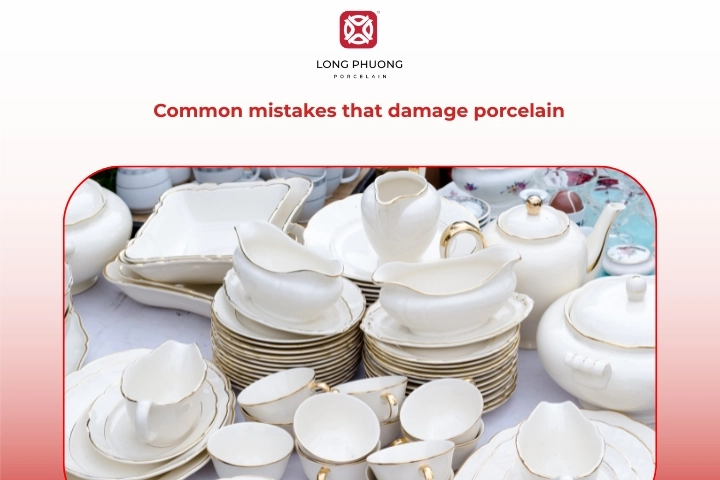
5. Common mistakes that damage porcelain
Even with the best intentions, simple habits can inadvertently shorten the life of your premium dinnerware. Avoid these common pitfalls:
- Leaving Leftovers Overnight: Acidic foods like tomatoes, citrus fruits, vinegar, and heavy sauces can etch the protective glaze if left sitting on the porcelain surface for too long.
- Using Abrasive Cleaners: Commercial scouring powders, bleach, and chemical bathroom cleaners are too harsh for tableware and will strip away the polished finish.
- Stacking Heavy Cookware on Top: Never mix your heavy cast-iron pots or stainless-steel pans with delicate porcelain in the sink or storage cabinets.
- Soaking for Extended Periods: Leaving porcelain submerged in water for hours, or even days, can allow moisture to seep into any micro-cracks, weakening the structural integrity of the ceramic.
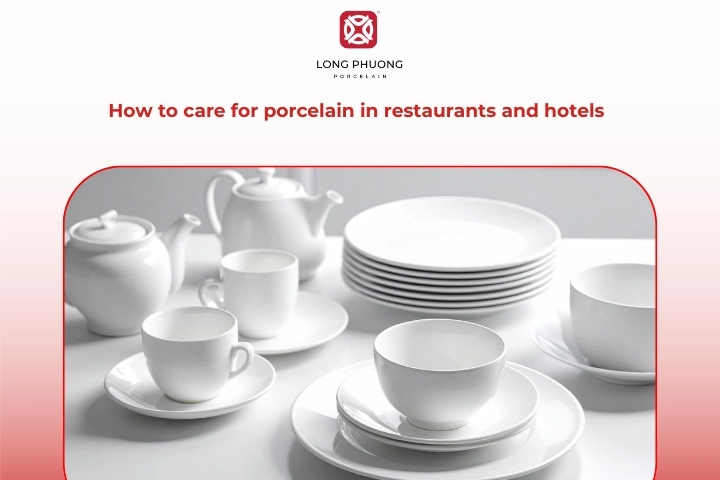
6. How to care for porcelain in restaurants and hotels
In hospitality environments, porcelain is used frequently and requires extra attention. Best practices porcelain care guide include:
- Establishing a daily cleaning routine
- Training staff on gentle washing techniques
- Using commercial-grade mild detergents
- Inspecting tableware regularly for cracks or chips
- Rotating usage to avoid overuse of specific items
For restaurants and hotels, presentation is everything. Well-maintained porcelain enhances customer experience and reflects quality service.
7. Why choose Long Phuong Porcelain for durable porcelain tableware
When it comes to high-quality porcelain in Vietnam, Long Phuong porcelain is a trusted name known for craftsmanship and durability.
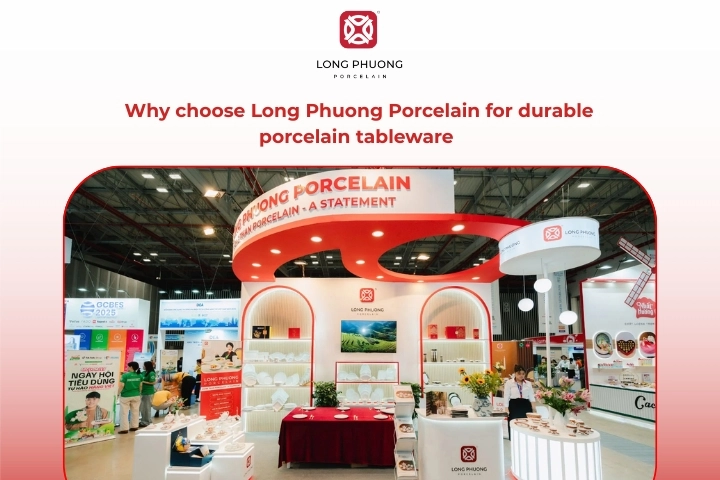
Long Phuong porcelain stands out because:
- High-temperature firing for stronger structure
- Smooth, glossy finish that resists staining
- Elegant designs suitable for both home and hospitality use
- Long-lasting glaze that maintains brightness over time
Choosing quality tableware reduces maintenance effort and improves overall dining experience. Combined with proper care, Long Phuong porcelain can last for many years while maintaining its original beauty.
8. FAQs
8.1 What is the best way to clean porcelain?
The best method porcelain care guide is to use warm water, mild dish soap, and a soft sponge. Avoid abrasive materials and always dry with a soft cloth after washing.
8.2 Can porcelain be cleaned with baking soda?
Yes. Baking soda is safe and effective for removing stains. Mix it with water to form a paste and gently apply it to stained areas.
8.3 How do you remove stains from porcelain dishes?
Use natural solutions like baking soda or diluted vinegar. Let them sit for a few minutes before gently scrubbing with a soft sponge.
8.4 Is porcelain dishwasher safe?
Many porcelain products are dishwasher safe, but it depends on the manufacturer. Always check labels and use gentle cycles.
8.5 How do you keep porcelain shiny and new?
Avoid harsh cleaning tools, wash gently after use, dry properly, and store carefully. Regular maintenance is key to porcelain care guide.
Related articles
- How to clean porcelain at home to keep it at new
- A complete guide to lead-free porcelain and safe dinnerware choices
- How to choose durable porcelain tableware
- Is a porcelain dishwasher safe? A proper use and cleaning guide
- Is porcelain microwave safe? Everything you need to know
Long Phuong Group Joint Stock Company
- Phone number: (+84) 989 595 866
- Email: export@longphuong.vn
- Factory: Hap Linh Industrial Cluster, Hap Linh, Bac Ninh, Vietnam
- Showroom Ha Noi: 59 Cua Bac, Ba Dinh Ward, Hanoi, Vietnam
- Showroom Ha Noi: 37 Cua Nam, Cua Nam Ward, Hanoi, Vietnam
- Showroom TP. Ho Chi Minh: 127 Le Thi Rieng, Ben Thanh Ward, Ho Chi Minh, Vietnam

CEO of Long Phuong Group Joint Stock Company, with more than 20 years of exploration and research to obtain the best formulas and professional experience, Long Phuong Porcelain has produced more than 400 designs of all kinds of household porcelain, Significant contributions to Vietnam's ceramic industry.

