
 Vietnam
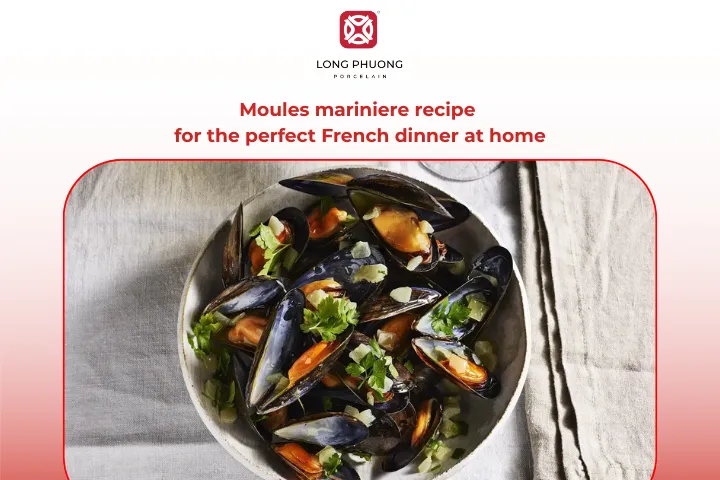
If you are searching for a simple yet elegant seafood dish that feels like it came straight from a French coastal restaurant, look no further. The moules mariniere recipe is a true classic that combines fresh mussels, white wine, herbs, and aromatics into a bowl of comfort. It is fragrant. It is flavorful. And best of all, it comes together in under 30 minutes. Ready to learn how to make it at home? Let us dive in.
1. What exactly is moules mariniere?
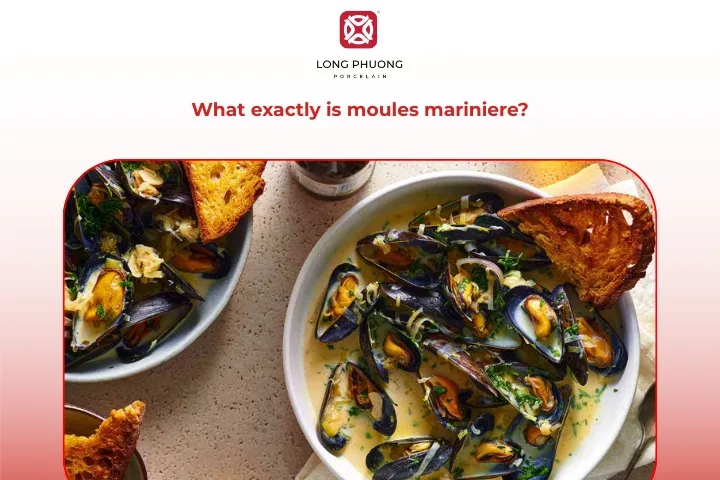
Moules mariniere is a traditional French dish that translates to sailors mussels. It is a cornerstone of French coastal cuisine and is incredibly popular in seaside towns. The dish usually features fresh mussels cooked in a broth of white wine, shallots, garlic, butter, and fresh herbs.
What makes moules mariniere special is its simplicity. Each ingredient shines without overpowering the natural flavor of the mussels. Every bite feels like a warm sea breeze because the flavors are clean, fresh, and bright. People enjoy this dish as a light lunch, a cozy dinner, or as part of a multi course seafood meal.
2. Ingredients for the best moules mariniere recipe
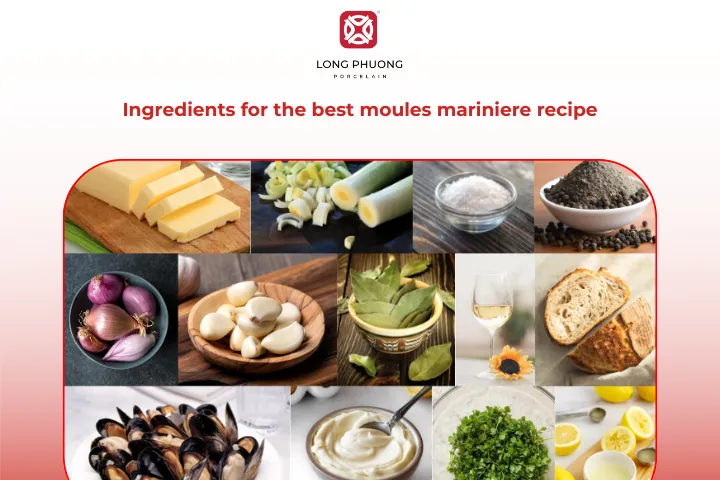
To create a truly unforgettable moules mariniere, you need the right ingredients. Here is a breakdown of what you will need.
- 2 tablespoons unsalted butter
- 1 small leek, white and light green parts only, thinly sliced
- 1 small shallot, thinly sliced
- 4 medium cloves garlic, thinly sliced
- 2 bay leaves
- Kosher salt and freshly ground black pepper
- 1 cup hard dry cider or white wine
- 2 pounds mussels
- 2 to 3 tablespoons homemade mayonnaise, crème fraîche, or heavy cream (optional)
- 3 tablespoons minced fresh parsley leaves
- 1 tablespoon juice and 1 teaspoon grated zest from 1 lemon
- Additional homemade mayonnaise for serving (optional)
- 1 loaf rustic sourdough bread, thickly sliced, drizzled with olive oil, and broiled until heavily toasted
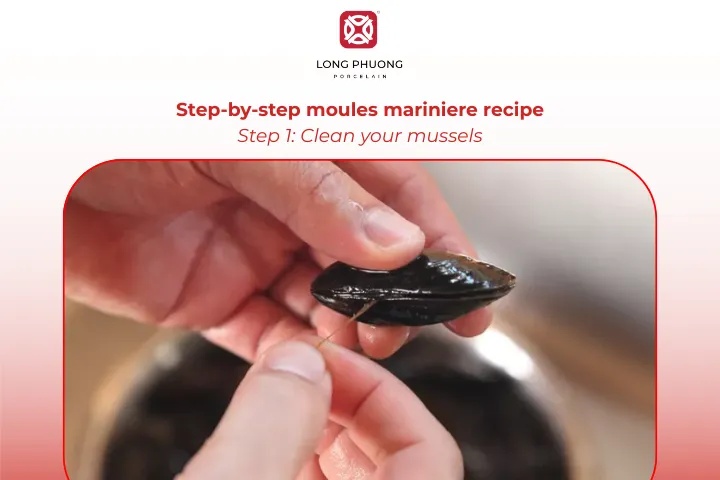
Check the mussels carefully before cooking. If you see sand or long stringy beards sticking out of the shells, rinse them under cold water and scrub as needed. Remove the beards by firmly pulling them toward the hinge of the shell. Most farmed mussels are already fairly clean when you buy them. Throw away any mussels with cracked shells or any that stay open after you tap them lightly with another shell.
Mayonnaise is optional, but it adds a richer taste and works especially well as a dipping sauce. If you choose to use it, homemade mayonnaise is a must, since store-bought versions do not blend smoothly with the sauce. For extra flavor, you can add more garlic and replace half of the canola oil with extra-virgin olive oil when making mayonnaise for mussels.
3. Step-by-step moules mariniere recipe
Step 1: Clean your mussels
Black farm-raised mussels are the type you will most often find at the grocery store. They are a smart option because they are eco-friendly, affordable, and very easy to prepare. These mussels are typically sold almost ready to cook, so all you need to do is rinse them well and remove the beards before using.
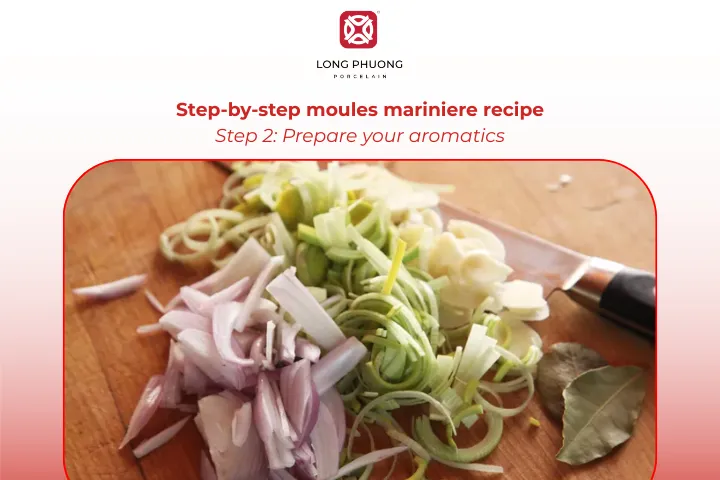
Step 2: Prepare your aromatics
Mussels release plenty of liquid as they cook, which helps form the base of the sauce, but building flavor starts with aromatics. In classic moules marinières, shallots are the usual choice. After testing different options, the best flavor comes from a mix of shallots for gentle sweetness, leeks for a softer onion taste, and garlic for that familiar savory depth. Adding a couple of bay leaves is also a good idea.
From there, you can adjust the flavor to your taste. A regular onion or sliced fennel adds a bolder note. Fresh herbs like thyme or rosemary work well, and spices such as Thai curry paste or harissa can bring in heat and complexity. If you prefer something richer, small pieces of salami, chorizo, pancetta, or bacon are all good additions. Feel free to customize.
Once your aromatics are prepped, cook them slowly in plenty of butter or olive oil over medium heat. The goal is to soften them without browning. By the end, the leeks and shallots should be very tender and slightly translucent.
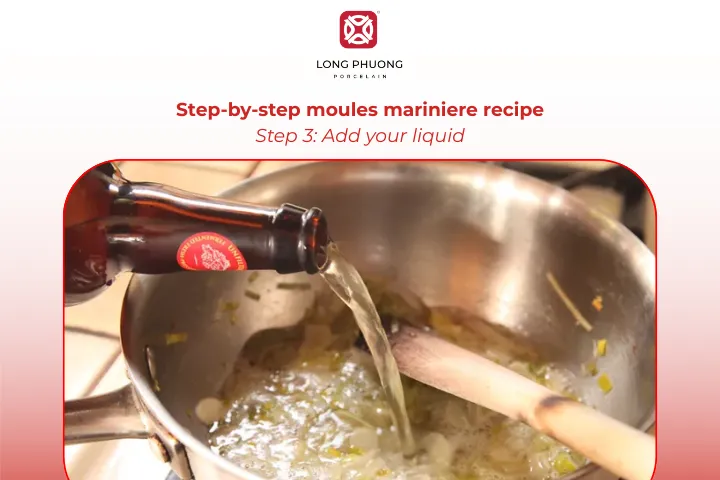
Step 3: Add your liquid
Mussels release a lot of their own juices as they cook, so adding liquid is optional, but it is a great way to shape the overall flavor. Dry white wine is the traditional choice and the one most people use. That said, dry hard cider is also an excellent option and may be closer to the original roots of the dish, since cider was commonly drunk by sailors in Normandy. It also adds a pleasant, subtle sweetness.
You can even skip added liquid altogether by cooking the mussels in a very hot pan with a lid. They will steam quickly in their own moisture, and a little olive oil, fresh lemon juice, and herbs are all you need to finish them.
If you want to experiment, there are plenty of alternatives. Crushed tomatoes, beer, or a small splash of anise-flavored spirits like pastis can change the character of the dish. Coconut milk adds a tropical touch, while chicken stock or bottled clam juice are simple, reliable options.
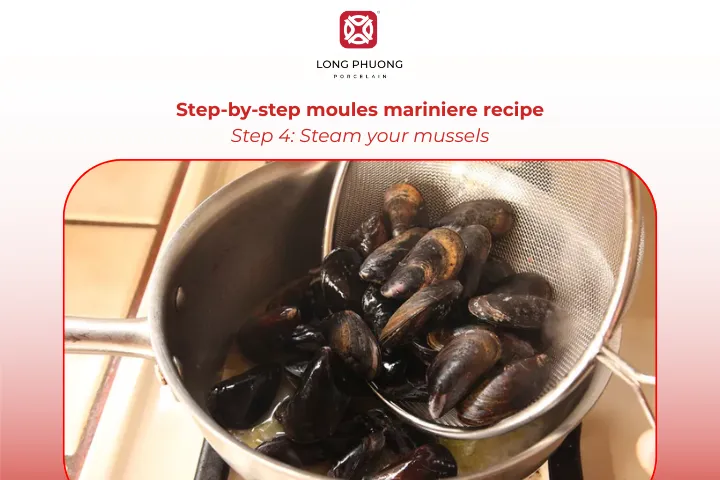
Step 4: Steam your mussels
Before you start this step, make sure the table is ready and everyone is seated with a drink, because the cooking happens very quickly from here.
Turn the heat up to high. Once the cooking liquid reaches a strong boil, let it simmer briefly if it contains alcohol so the raw alcohol cooks off. Add all the cleaned mussels to the pan at the same time, then cover it right away to keep the steam inside.
Cook the mussels while gently shaking the pan, lifting the lid every 30 seconds to give them a quick stir. After about a minute, they will start to open, and by the two-minute mark, most should be fully cooked. As soon as nearly all the shells have opened, move on immediately.
If a few mussels stay closed, that does not automatically mean they are unsafe. You can open them by hand and still eat the meat inside.
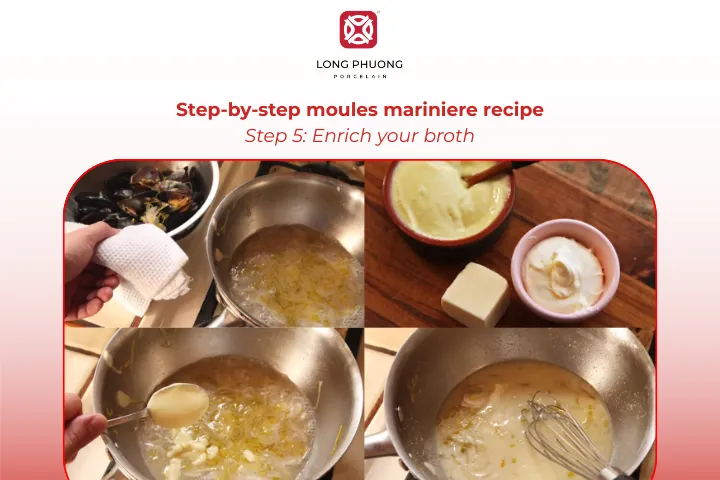
Step 5: Enrich your broth
You could bring the pot straight to the table at this point and still have a great meal. With just a little extra effort, though, you can turn it into something truly special.
To finish the broth, add an ingredient that deepens the flavor and gives it a richer texture. Since you will be whisking, start by removing the mussels so you can focus on the liquid. Use tongs to transfer them to a bowl. If you want to be precise, you can even take them out one by one as they open to avoid overcooking.
Now it is time to enrich the broth. The classic option is cold butter, whisked in quickly so it melts and blends into a smooth, silky sauce. A high-fat cultured butter works especially well. Crème fraîche or heavy cream are also excellent choices and can be added the same way.
For something less traditional but incredibly flavorful, garlic aioli is a standout option. It may not be classic, but it pairs beautifully with mussels. This does mean making the aioli ahead of time, but it comes together quickly. Adding grated garlic and replacing part of the canola oil with extra-virgin olive oil gives it even more depth.
No matter which option you choose, whisk it in firmly until the broth looks smooth and well combined.
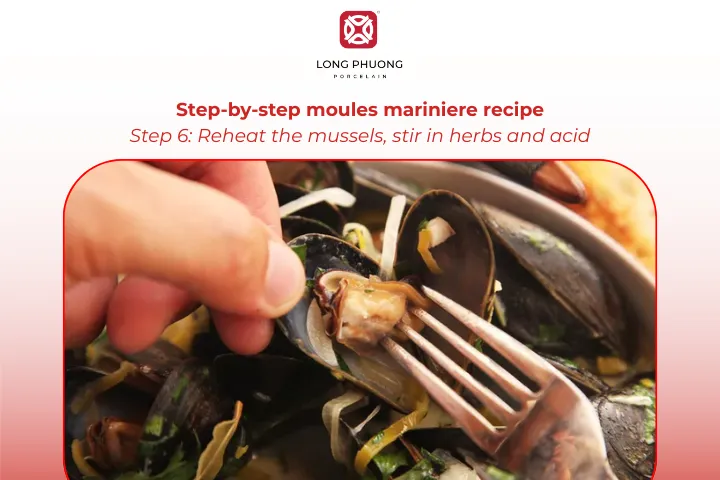
Step 6: Reheat the mussels, stir in herbs and acid
Once the sauce is rich and well balanced, return the mussels to the pot. Add fresh herbs and a final boost of brightness right before serving. In this moules mariniere recipe, parsley, lemon juice, and lemon zest do the job well. If the sauce needs more acidity, add it at the very end for the cleanest, freshest taste.
For serving, you can place the pot on the table and let everyone help themselves, or transfer the mussels to a serving bowl that has been warmed ahead of time so they stay hot while you eat.
Some people worry that taking the mussels out earlier might cause them to overcook while they sit. In practice, that does not happen. Mussels cool quickly once removed from heat, so there is no extra cooking going on. After reheating them briefly in the sauce, they taste just as tender and fresh as mussels served straight from the pot.
The result is incredibly satisfying, especially with extra aioli on the side for dipping, and it sets the tone for a great meal.
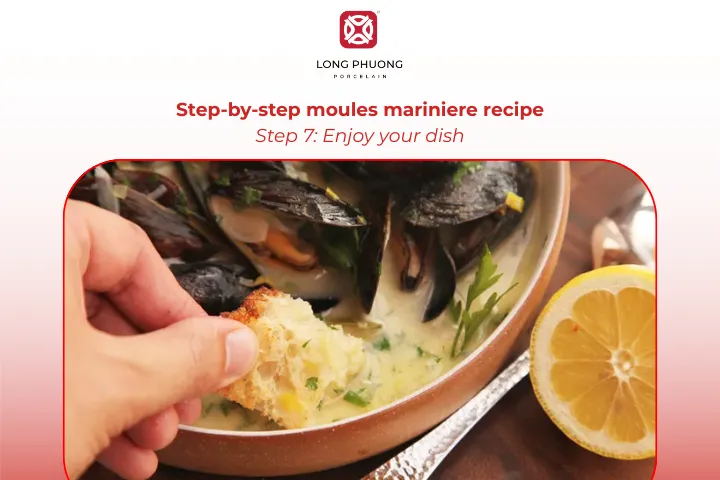
Step 7: Enjoy your dish
Everyone knows the real star of a mussel dish is the salty, flavorful broth that begs to be soaked up with bread.
Start with a sturdy loaf of rustic bread and cut it into thick slices. Drizzle each piece with extra-virgin olive oil, then place them under the broiler for a short time. You should prefer the bread well toasted, with a few dark, charred spots, since that smoky flavor pairs perfectly with the rich, briny broth.
4. Video tutorial on how to make a moules mariniere recipe
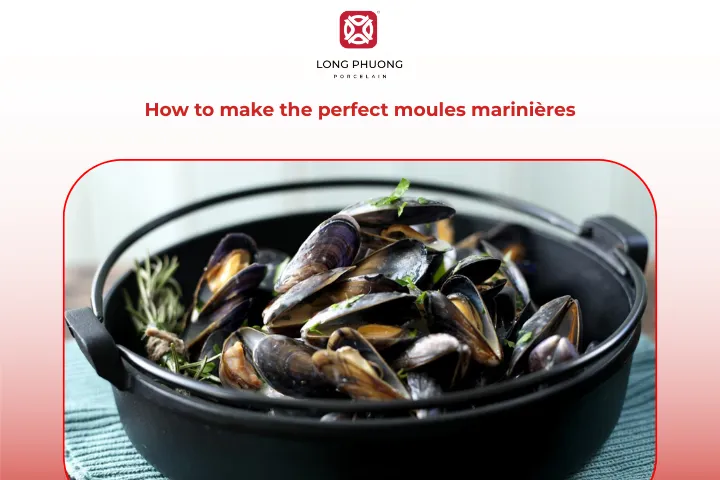
5. How to make the perfect moules marinières
5.1. Choose the freshest mussels
Look for shells that are tightly closed or that close quickly when tapped. They should smell fresh and briny, never fishy or sour. Fresh mussels release a natural sweetness as they cook, which forms the backbone of the broth. Avoid mussels with cracked shells or ones that stay open after tapping.
5.2. Avoid washing mussels too early
Mussels are alive, and soaking or washing them too early can kill them. Once dead, they no longer open properly and can develop unpleasant flavors. The best approach is to clean mussels right before cooking. Fresh, living mussels are essential for a light, briny broth.
5.3. Do not overcook
Mussels cook very fast. Once the pot is covered and steaming, most mussels will open in just a few minutes. As soon as the shells open wide, they are done. Cooking them longer will cause the meat to shrink and become tough. A good rule is to remove the pot from the heat as soon as most shells have opened, then gently stir to let the remaining ones finish from residual heat.
5.4. Use good wine
Choose a dry white wine that you would actually enjoy drinking. Crisp, acidic wines work best because they balance the richness of butter and highlight the natural salinity of the mussels. Avoid sweet or heavily oaked wines. They can overpower the dish and muddy the clean flavors.
5.5. Taste the broth
Mussels release salt as they cook, so additional salt is often unnecessary. What the broth usually needs is balance. A small squeeze of lemon juice can brighten everything. A bit more butter can round it out. Fresh herbs at the end add aroma and freshness. Think of the broth as the soul of the dish. It should taste light, briny, and fragrant, not heavy or overly seasoned.
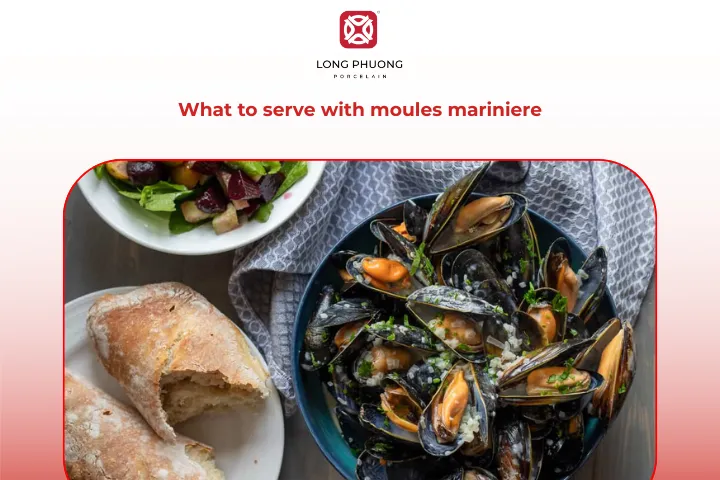
6. What to serve with moules mariniere
6.1. Crispy fries
The contrast between the tender mussels and crisp fries is hard to beat. Fries are perfect for dipping into the wine scented broth, making sure none of that liquid gold goes to waste. This classic combination is especially popular in French and Belgian cuisine for a reason.
6.2. Crusty bread
If you skip the fries, crusty bread is a must. A warm baguette or rustic sourdough is ideal for soaking up the flavorful broth at the bottom of the bowl. Each bite becomes a mix of soft bread and aromatic sauce, turning a simple side into a highlight of the meal.
6.3. Green salad
A light green salad adds freshness and balance. Think mixed greens with a mild vinaigrette, nothing heavy or creamy. The acidity helps cleanse the palate between bites and keeps the meal from feeling too rich.
6.4. White wine
Since wine plays such an important role in the broth, serving a glass of the same dry white wine used in cooking is a natural choice. Crisp, refreshing wines complement the dish without overpowering it. Serve well chilled and sip between bites for a cohesive dining experience.
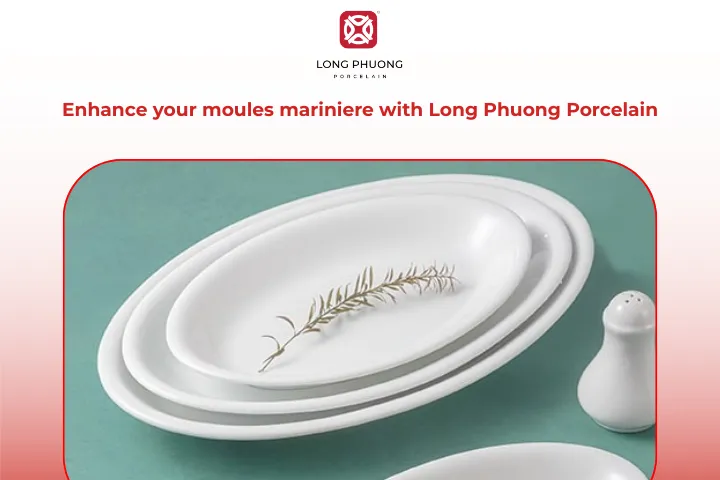
7. Enhance your moules mariniere with Long Phuong Porcelain
When you have a beautiful dish like moules mariniere, the presentation matters just as much as the flavor. This is where Long Phuong Porcelain becomes an ideal companion in your kitchen. Long Phuong’s dinnerware elevates any seafood dish, especially one as classic as this French favorite.
We design our plates and bowls with clean lines and a refined finish, allowing the vibrant colors of mussels, herbs, and broth to stand out. The material retains heat well, keeping your moules mariniere warm longer, which is a big plus for seafood lovers who enjoy taking their time with each bite.
8. FAQs about the moules mariniere recipe
8.1. Can you make moules marinières without cream?
Yes, absolutely. In fact, the traditional moules marinière recipe does not include cream. The original version relies on white wine, butter, aromatics, and the natural juices released by the mussels to create a light, fragrant broth. Cream is considered an optional variation rather than a requirement. If you prefer a cleaner, more briny flavor that highlights the taste of the sea, skipping the cream is the best choice.
8.2. What is in marinière sauce?
Marinière sauce is a simple, aromatic broth made from butter, shallots, garlic, white wine, and fresh herbs, most commonly parsley. As the mussels cook, they release their natural juices, which blend with the wine and aromatics to form the sauce. The result is a light, savory broth that tastes fresh, slightly salty, and deeply comforting. It is designed to complement seafood, not overpower it.
8.3. Are mussels healthy to eat?
Yes, mussels are considered very healthy. They are high in protein, low in fat, and rich in essential nutrients such as iron, vitamin B12, zinc, and omega 3 fatty acids. They are also relatively low in calories compared to many other protein sources. When cooked simply, as in moules marinière, mussels are a nutritious and balanced option for a seafood based meal.
8.4. What do moules marinières taste like?
Moules marinières taste fresh, briny, and aromatic. The mussels themselves are tender and slightly sweet, while the broth is savory with gentle acidity from the wine and richness from butter. Each bite feels light but satisfying, with flavors that remind many people of the ocean in the best possible way. It is a dish that feels both comforting and elegant at the same time.
9. Conclusion
This moules mariniere recipe is simple, flavorful, and perfect for any seafood lover. With fresh mussels, aromatic herbs, and a splash of wine, it brings you a taste of French coastal cuisine right in your home. The dish is effortless enough for weeknight cooking yet elegant enough to impress guests. If you are ready for a dish that tastes like a seaside escape, moules mariniere is exactly what you are looking for. Enjoy your cooking adventure.
Related articles

CEO of Long Phuong Group Joint Stock Company, with more than 20 years of exploration and research to obtain the best formulas and professional experience, Long Phuong Porcelain has produced more than 400 designs of all kinds of household porcelain, Significant contributions to Vietnam's ceramic industry.

