
 Vietnam
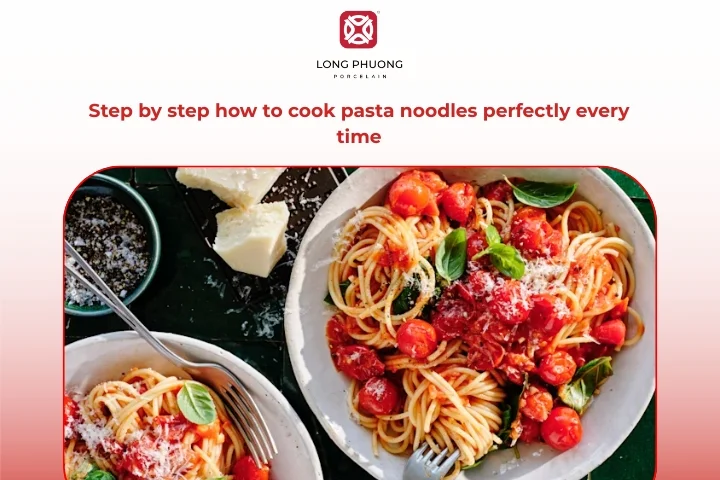
Learning how to cook pasta seems simple, yet many home cooks still struggle to get the perfect texture. Pasta that is too soft feels mushy. Pasta that is undercooked tastes raw and chalky. The secret lies in understanding timing, water, and technique. In this complete guide, you will learn how to cook pasta noodles the right way, from preparation to serving. Whether you are cooking spaghetti for a classic tomato sauce or noodles for a fresh pasta salad, these steps will help you achieve consistent results every time.
1. What is pasta? A classic of Italian cuisine
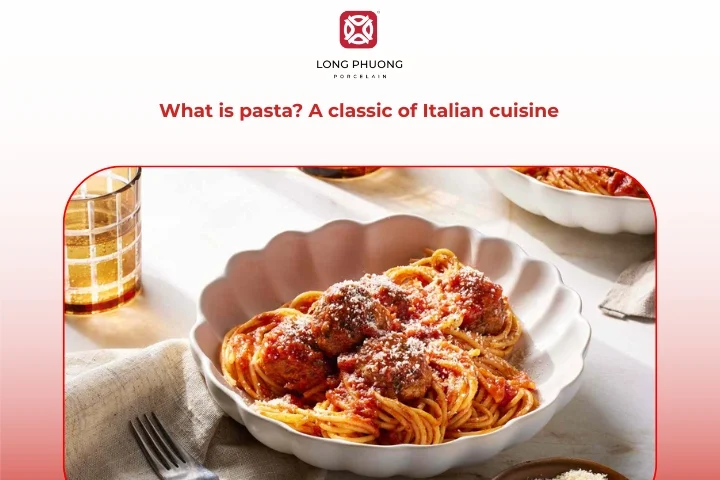
Pasta is more than just flour and water; it is the soul of Italian culinary tradition. Historically, pasta dates back centuries, evolving into hundreds of shapes and sizes—from the long, elegant strands of spaghetti to the hollow tubes of penne.
The beauty of pasta lies in its versatility. It can be a quick weeknight comfort food or a sophisticated centerpiece for a dinner party. Regardless of the shape, the goal remains the same: achieving a texture that provides a slight “bite.”
2. Ingredients needed to cook pasta noodles
You only need a few basic ingredients to cook pasta noodles well. Quality matters, but simplicity is key.
Essential ingredients:
- Dry or fresh pasta noodles
- Water
- Salt
That’s it. Oil is not necessary, and butter comes later when finishing the dish. When learning how to cook pasta noodles, focusing on these basics helps avoid common mistakes.

See more: 20+ different types of pasta noodles you should know
3. Step-by-step how to cook pasta noodles like a pro
This is the core of the guide. Follow these steps carefully to master how to cook pasta at home.
3.1. Step 1: Boil the water properly
Fill a large pot with cold water. Use about 4 to 6 quarts of water for every pound of pasta. This prevents the starch from making the water too thick, which causes sticking. Bring it to a rolling boil. Once boiling, add a generous amount of salt. It should “taste like the sea.”

3.2. Step 2: Add pasta noodles correctly
When the water is at a vigorous boil, add your pasta. If you are cooking spaghetti, don’t break the strands! Simply push them down as they soften. Give it an immediate stir to ensure no pieces are stuck to the bottom or to each other.

3.3. Step 3: Cook pasta to al dente
The secret to how long to boil pasta lies in the phrase “al dente,” which means “to the tooth.” It should be firm, not crunchy, and definitely not mushy. Start testing the texture 2 minutes before the package directions suggest.

3.4. Step 4: Drain pasta the right way
Before draining, save about a cup of the starchy pasta water. This “liquid gold” is the secret to a silky sauce. Drain the rest in a colander. Do not rinse the pasta (unless you are making a cold salad), as the starch helps the sauce cling to the noodles.

3.5. Step 5: Finish and serve
Immediately toss the pasta with your prepared sauce. If the dish looks too dry, add a splash of that reserved pasta water. Serve your creation on a premium porcelain plate from Long Phuong to keep the heat consistent and the presentation elegant.

4. Video tutorial how to cook pasta correctly at home
5. Cooking time guide: How long to cook pasta?
Timing is everything. Many people ask, “how long to cook noodles?” The answer depends entirely on the shape and whether the pasta is fresh or dry.
Understanding how long to boil pasta is one of the most common questions.
Below is a general guide:
- Spaghetti: 8–10 minutes
- Penne: 10–12 minutes
- Fusilli: 9–11 minutes
- Fresh pasta: 2–4 minutes
If you are wondering how long to cook spaghetti noodles, always taste before draining. Pasta continues cooking briefly after draining, especially when mixed with hot sauce.

6. How to cook pasta for different dishes
Not all pasta dishes are created equal. Your cooking method should adapt to your sauce.
6.1. Cooking spaghetti for tomato sauce
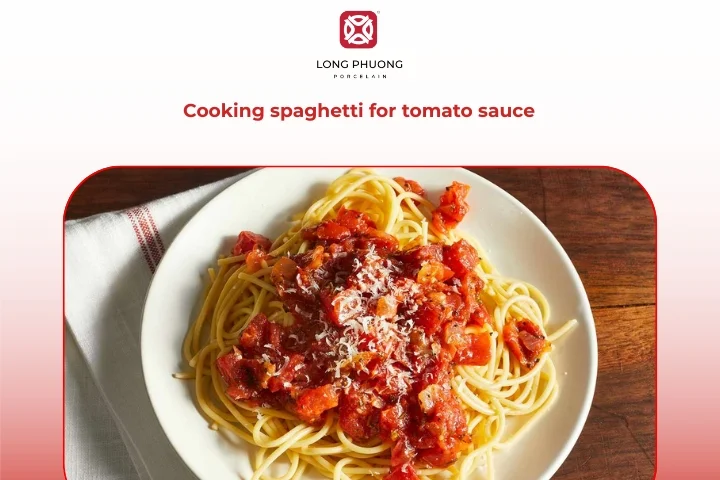
When cooking spaghetti for a classic marinara, undercook the noodles by 1 minute in the water. Finish the cooking process directly in the tomato sauce. This allows the pasta to absorb the flavor of the tomatoes.
6.2. Cooking pasta for creamy sauces
For Fettuccine Alfredo or carbonara, ensure you keep plenty of pasta water. The starch interacts with the cream or cheese to create a velvet-like consistency.

6.3. Cooking pasta for salads
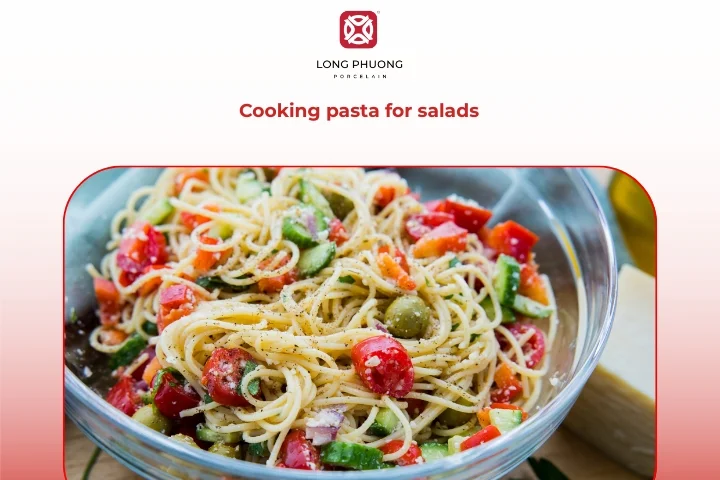
When making a cold pasta salad, you actually should rinse the noodles under cold water. This stops the cooking process immediately and removes excess starch so the noodles don’t clump together while chilling.
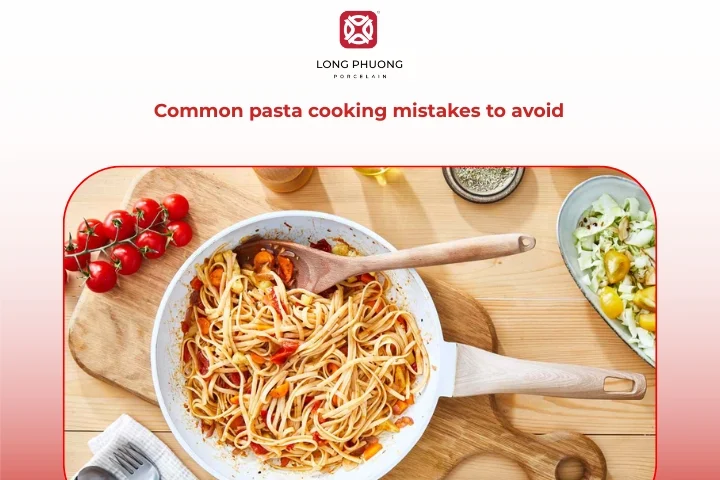
7. Common pasta cooking mistakes to avoid
Even experienced cooks make these errors. Here some common mistakes how to cook pasta you need to avoid:
- Using a pot that is too small: This leads to gummy, stuck-together noodles.
- Adding oil to the water: This makes the pasta slippery, meaning the sauce will slide right off.
- Not salting the water: Your pasta will taste bland, no matter how good the sauce is.
- Rinsing hot pasta: You lose the flavor and the “stickiness” needed for the sauce.
8. Tips for better-tasting pasta cooking at home
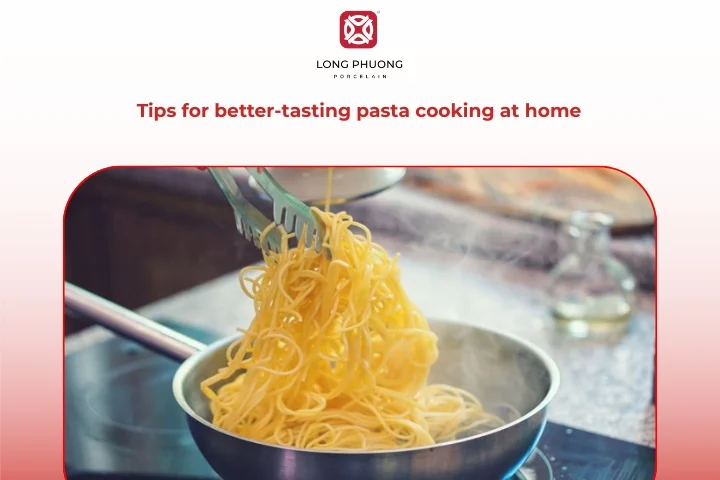
Small details make a big difference. Here are some tips to make pasta at home:
- Use high-quality pasta
- Warm serving plates before plating
- Always finish pasta in the sauce
- Serve immediately for best texture
Serving pasta on elegant porcelain dinnerware, such as collections from Long Phuong Porcelain, enhances presentation and keeps food at the right temperature longer.
9. FAQs
9.1. How long should pasta boil for al dente?
Generally, how long to cook pasta for al dente is 1 to 2 minutes less than the “tender” instructions on the box. For dry spaghetti, this is usually 8–9 minutes.
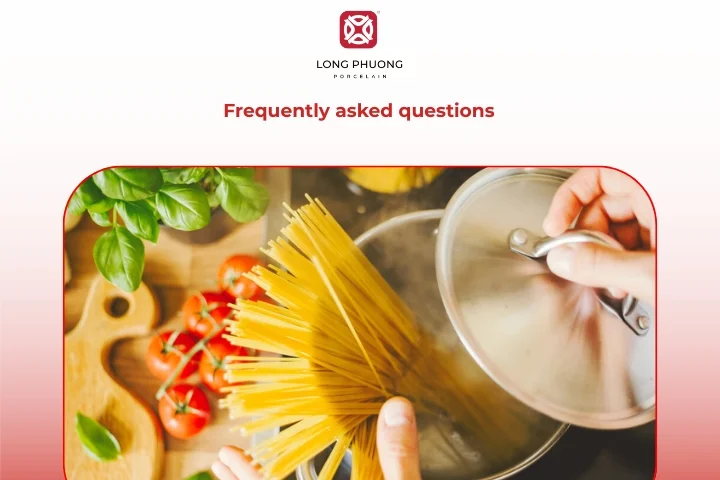
9.2. Do you add pasta to boiling water or before?
Always add pasta to water that is already at a rolling boil. Adding it too early makes the pasta soggy.
9.3. How long do you boil pasta?
On average, dry pasta takes 8 to 12 minutes. How long to cook pasta noodles that are fresh takes significantly less time, usually 2 to 4 minutes.
9.4. Do you cook pasta with lid on or off?
Keep the lid off once the pasta is in the water. This prevents the water from boiling over and allows you to stir easily.
9.5. Should pasta be rinsed after cooking?
No! Rinsing removes the starch that helps the sauce stick. Only rinse if you are making a cold pasta salad.
9.6. How do you keep pasta from sticking together?
The best way is to use a large pot with plenty of water and to stir the pasta immediately after adding it to the boiling water.
Related articles
Long Phuong Group Joint Stock Company
- Phone number: (+84) 989 595 866
- Email: export@longphuong.vn
- Factory: Hap Linh Industrial Cluster, Hap Linh, Bac Ninh, Vietnam
- Showroom Ha Noi: 59 Cua Bac, Ba Dinh Ward, Hanoi, Vietnam
- Showroom Ha Noi: 37 Cua Nam, Cua Nam Ward, Hanoi, Vietnam
- Showroom TP. Ho Chi Minh: 127 Le Thi Rieng, Ben Thanh Ward, Ho Chi Minh, Vietnam

CEO of Long Phuong Group Joint Stock Company, with more than 20 years of exploration and research to obtain the best formulas and professional experience, Long Phuong Porcelain has produced more than 400 designs of all kinds of household porcelain, Significant contributions to Vietnam's ceramic industry.

