
 Vietnam
If you love comfort food that feels elegant without being complicated, you are in for a treat. A Coq au Vin recipe might sound fancy, but at its heart, it is a warm and rustic French stew filled with chicken simmered in red wine, mushrooms, bacon, and herbs. Today, we’ll walk you through everything you need to know to create this flavorful classic right in your own kitchen.
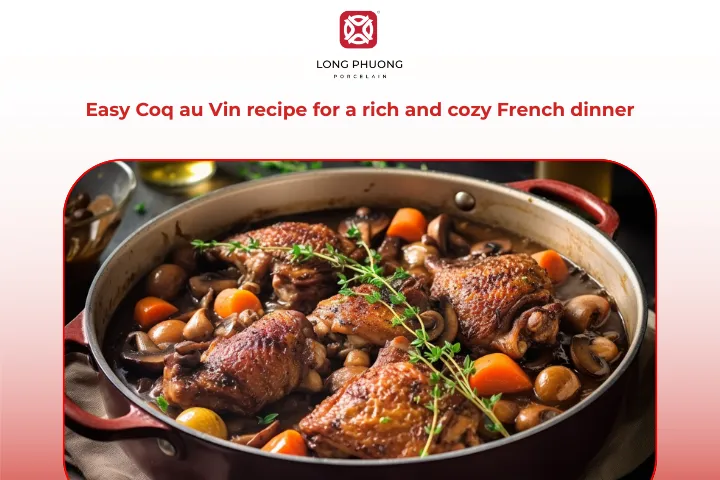
1. What is Coq au Vin?
Coq au Vin is a traditional French dish that dates back hundreds of years. Its name simply means chicken with wine. Some say it was invented as a clever way to tenderize older roosters, which needed long braising to become soft and flavorful. Over time, the recipe evolved into the beloved comfort dish we know today.
The magic of Coq au Vin comes from slow cooking. When chicken gently simmers in red wine along with vegetables and herbs, the flavors merge and deepen. It is one of those dishes that makes the whole house smell incredible while it cooks. And once you try it, you understand why it remains a centerpiece of French home cooking.
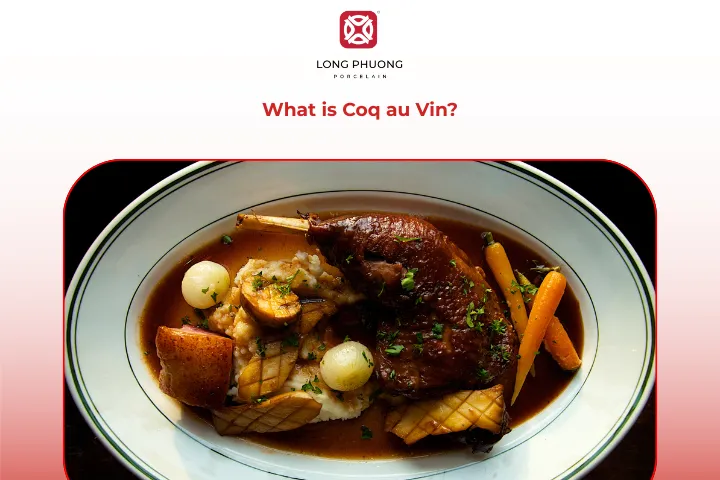
2. Why you will love this Coq au Vin recipe
There are many versions of Coq au Vin, but this recipe is designed to give you a deep, restaurant-quality flavor without unnecessary steps. Here is why it works so well:
- Simple ingredients: You do not need specialty products or rare wines. Everything is accessible at your local grocery store.
- Rich flavor: By browning the bacon, searing the chicken, and sautéing the aromatics, you create a flavorful base before the wine even goes in.
- Perfect for beginners: The process is easy to follow. If you can chop vegetables and simmer a pot, you can make Coq au Vin.
- Adaptable: You can use different wines, swap vegetables, or choose any cut of chicken. You can even make it on the stove, in a slow cooker, or in an Instant Pot.
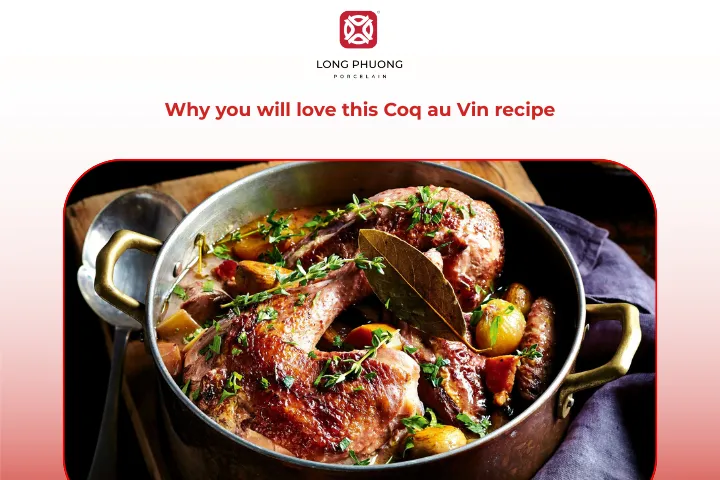
3. What are the ingredients for Coq au Vin?
To make a rich and authentic Coq au Vin, you will need a handful of classic ingredients that come together to create deep flavor and a beautifully glossy sauce. While the recipe feels luxurious, everything you need is simple and easy to find.
Red wine chicken marinade:
- 4 chicken thighs, bone-in, skin on (~220g / 7 oz each)
- 4 chicken drumsticks
- 16 pearl onions or picking onions
- 1 bay leaf, fresh (dry also ok)
- 3 thyme sprigs (sub 1 tsp dried thyme)
- 750 ml / 3 cups pinot noir red wine, or other dry red wine
Browning chicken:
- 3 – 4 tbsp vegetable oil (or canola oil)
- 3/4 tsp salt (cooking/kosher salt, or 1/2 tsp table salt)
- 1/2 tsp pepper
Coq au Vin stew:
- 400g / 14oz white mushrooms, halved (quartered if large)
- 150g / 5oz bacon piece (speck), cut into 1 x 2.5cm / 0.4 x 1″ batons
- 60g / 4 tbsp unsalted butter
- 3 garlic cloves, finely minced (with knife)
- 2 tbsp tomato paste
- 7 tbsp flour, plain/ all-purpose
- 750 ml / 3 cups beef stock, low sodium, preferably homemade
- 1/4 tsp salt (cooking/kosher salt, or 1/8 tsp table salt)
- 1/4 tsp black pepper
Garnish and serving:
- 2 tbsp parsley, chopped
- Mashed potato (or tagliatelle)
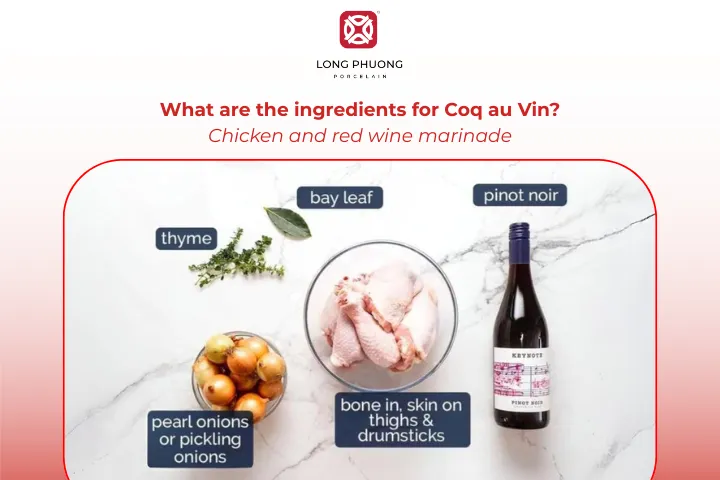
3.1. Chicken and red wine marinade
The heart of Coq au Vin starts with marinating the chicken in red wine. This step helps the meat absorb flavor before it ever touches the heat.
Chicken pieces
Traditionally, the dish was made with an older rooster, but these days regular chicken works perfectly. Bone-in, skin-on thighs and drumsticks are your best choice because they stay juicy during long cooking. If you are comfortable cutting up a whole chicken, that is even closer to the classic method. Keep the breast intact with the skin and bone, marinate it the same way, but only add it to the pot for the final 20 minutes, so it does not overcook.
Red wine
Wine gives the dish its signature aroma and color. The chicken soaks in the wine first, then the same wine becomes the base of your sauce. The flavor is mildly wine-forward at first, which is exactly how Coq au Vin should taste. If you leave the dish overnight in the refrigerator, the wine softens and blends beautifully into the stew.
Pinot Noir is the traditional pick, especially from Burgundy, but you can use almost any medium-bodied red. Wines like Shiraz, Cabernet Sauvignon, Merlot, or Malbec all work well as long as they are not too bold or heavy.
Onions
Tiny pearl onions are classic, though they can be tricky to find. Pickling onions are a good substitute if you peel off an extra layer to match the size. You can also use regular brown or yellow onions, cut into small wedges.
Herbs
A few sprigs of thyme and a couple of bay leaves add depth and warmth to the marinade and the sauce.
3.2. For the Coq au Vin
Once the chicken is marinated, you will need a few more essentials to turn everything into a rich stew.
Beef stock
It may sound unusual for a chicken recipe, but beef stock is actually what creates the deep color and bold flavor that define a great Coq au Vin. It does not make the dish taste like beef because the chicken, wine, and aromatics take over. Chicken stock works too, but the finished sauce will be lighter in both taste and color.
A good quality stock makes a huge difference. Homemade beef stock is best, followed by stock from a local butcher. Avoid powdered stock, which cannot deliver the same richness.
Bacon
Thick-cut bacon or slab bacon is perfect, since you can cut it into chunky lardons. These meaty pieces turn golden during cooking and add salty, smoky flavor. If you cannot find slab bacon, speck is a great alternative. Regular sliced bacon will also work, though the pieces will be smaller and softer.
Mushrooms
Button mushrooms are the most traditional choice. Large ones can be quartered, and smaller ones left whole. White mushrooms look especially nice against the dark sauce, but cremini or Swiss brown mushrooms are just as delicious.
Garlic
A few cloves provide the savory backbone that ties the entire dish together.
Tomato paste
Tomato paste adds brightness, helps the sauce thicken, and deepens the color.
Flour
Flour helps the Coq au Vin sauce thicken naturally during cooking.

4. Coq au Vin recipe with simple step-by-step instructions
Making Coq au Vin at home is easier than most people think. The flavor is deep and luxurious, but the process is straightforward if you follow each step. Here is a friendly, simplified version of the classic method, so you can cook with confidence.
4.1. Marinate chicken and sear
A great Coq au Vin always starts the day before. Letting the chicken rest in wine overnight gives the meat incredible flavor from the inside out. Avoid skipping this step because it truly transforms the dish.
Step 1: Marinate the chicken
In a glass or ceramic bowl, add the chicken pieces, wine, onions, and herbs. Let everything soak for at least 12 hours and up to 24 hours. Longer marinating does not hurt, but it will not make a dramatic difference either. This soak allows the wine and aromatics to work their magic on the chicken.
Step 2: Reduce the wine
After marinating, strain the wine into a pot and simmer it until it reduces by half. This concentrates the flavor, cooks off most of the alcohol, and ensures the finished stew does not turn watery.
Step 3: Dry the chicken
Separate the herbs and onions from the chicken. Place the chicken on a tray lined with paper towels and pat it dry thoroughly. Dry skin is important because wet chicken will not brown properly.
Step 4: Sear the chicken
Heat oil in a heavy pot, like a Dutch oven, over medium-high heat. Brown the chicken thighs first, starting skin side down. The skin will turn a deep golden color that looks darker than usual because of the wine. Flip to brown the other side. The chicken will still be raw inside, and that is exactly what you want at this stage.
Remove the thighs and repeat with the drumsticks. Their shape makes them a bit trickier to brown evenly, so rotate them until most sides have a nice crust.

4.2. Make the Coq au Vin stew
Even though Coq au Vin tastes like something that simmered forever, chicken actually cooks fairly quickly. The real secret is to sauté each ingredient separately so you get layers of flavor instead of letting everything steam in the pot.
Step 1: Cook the bacon
Add bacon lardons to the same pot and cook until golden. The bacon will release plenty of fat, which becomes the perfect cooking base for the mushrooms and onions. Once browned, transfer the bacon to the tray with the chicken.
Step 2: Sauté the mushrooms
Place the mushrooms into the pot and cook them in the bacon fat until they have a light golden blush. They do not need to be fully cooked yet because they will finish in the stew. Remove and set aside.
If you ever see a thick dark layer forming on the bottom of the pot (tends to happen if you skimped on the fat), pause. Remove it from the heat and gently scrape the base clean with a wooden spoon. If you ignore it, those burnt bits will dissolve into the stew and make it taste bitter.
Step 3: Cook the onions
Add the onions next. Stir them until they develop a bit of color. They hold up well to heat, which is why they go in before the tomato paste and flour.
Step 4: Add tomato paste and flour
Add a little butter, then garlic. Let the garlic cook for about a minute until fragrant. Stir in the tomato paste and cook it for a couple of minutes to mellow its sharpness. Then sprinkle in the flour and stir again. This cooks off the raw flour taste and helps the stew thicken later. The mixture may look pasty or crumbly, but that is normal.
Step 5: Pour in the liquids
Gently pour in the beef stock as you stir. Adding it a little at a time helps the flour blend smoothly into the mixture. If you notice a few small lumps, it’s fine. They will break down as the dish simmers. After all the stock is in, keep stirring until the flour is fully incorporated. Then add the reduced red wine and mix until everything comes together.
Step 6: Add everything back to the pot
Return the chicken, mushrooms, bacon, thyme, and bay leaf to the pot. Give everything a gentle mix and bring the stew to a simmer.

4.3. Slow-cook and rest
Step 1: Transfer to the oven
Cover the pot with a lid and place it in a 350°F (180°C) oven for about 45 minutes. Using the oven keeps the heat steady and prevents the bottom from burning, making the process easier than simmering on the stovetop.
Slow cookers can also work, but you will need to reduce the sauce afterward. The oven method is simpler and more reliable.
Step 2: Adjust the sauce
When the stew comes out of the oven, the sauce should have thickened into a smooth, glossy gravy. If it still feels thin, set the pot on the stove over low heat without the lid and let it cook until it reaches the thickness you prefer.
Keep in mind that flour-based sauces thicken as they cool slightly, so stop reducing when the sauce is just a touch thinner than your ideal texture.
Taste the sauce and add more salt if needed. The saltiness can vary depending on the bacon you use, so adjust to your liking.
Step 3: Leave overnight
If you can, let the stew rest overnight before serving. Like most stews, the flavor deepens as it sits. When you’re ready to eat, warm it slowly on low heat in a covered pot, making sure the chicken is heated all the way through. That said, it’s still fantastic when served right after cooking.

5. Video tutorial on how to make a Coq au Vin recipe
6. What’s the secret to a rich Coq au Vin
Making an excellent Coq au Vin recipe is all about the little details that elevate the dish from good to unforgettable. Here are practical tips to help you master this French favorite.
6.1. Choosing the right wine
The wine you use plays a big role in the final flavor of your Coq au Vin. The traditional choice is a medium-bodied red like Pinot Noir or another dry red that won’t overpower the other ingredients. Using a wine you enjoy drinking ensures the sauce tastes balanced and rich.
It’s worth noting that expensive wine is not necessary. Long cooking smooths out harsher notes, so an affordable supermarket wine will perform wonderfully. Choose something inexpensive but drinkable.
6.2. How to avoid watery sauce
A common issue with Coq au Vin is ending up with a thin sauce. There are two keys to avoiding this:
- Reduce the wine before cooking: Simmer the wine until it decreases in volume. This concentrates the flavor and means you start with less excess liquid.
- Brown and sauté properly: Taking time to sear the chicken and sauté the vegetables separately helps develop a naturally thicker sauce from the fond (browned bits) that contributes body and depth.
These steps help the sauce become glossy and rich rather than watery.
6.3. How to keep the chicken tender
- Marinate overnight: Letting the chicken sit in red wine and aromatics infuses the meat with flavor and helps it remain juicy during braising. Aim for at least 12 hours
- Pat dry before searing: Moisture prevents the chicken from browning properly, which affects both texture and taste. Drying with paper towels ensures a nice crust that seals in juices.
- Braise in an oven: An oven braise keeps heat even and makes retaining moisture easier than stovetop simmering.
6.4. Flavor boosters
To deepen the flavor in your Coq au Vin, consider these additions:
- Beef stock: Traditional recipes use beef stock for extra richness and a darker sauce without making it taste like beef.
- Herbs: Fresh thyme and bay leaves add that classic French aromatic lift.
- Mushrooms and bacon: Sautéing these until golden before adding them back into the stew contributes extra savory layers.
These elements work together to make your stew savory and balanced.
6.5. Ideal cooking techniques
- Layer your cooking: Instead of tossing everything in at once, brown the chicken first, then cook the bacon, mushrooms and onions separately. This ensures each ingredient adds its best flavor to the final dish.
- Use a heavy pot: A Dutch oven or heavy braiser distributes heat evenly, which helps avoid burning and creates better braising conditions.
- Rest and develop: If possible, let the finished dish rest overnight. The flavors continue to develop and meld, making the sauce even more delicious when reheated.

7. Variations of Coq au Vin recipe
One of the reasons Coq au Vin has remained popular for generations is its flexibility. While the classic Coq au Vin recipe is the most well known, several variations allow you to adapt the dish to different tastes, regions and lifestyles without losing its soul.
7.1. Coq au Vin blanc
Coq au Vin blanc is a lighter interpretation that swaps red wine for dry white wine. This version is especially popular in regions where white wine is more common. The sauce becomes paler, fresher and slightly more delicate, allowing the chicken and herbs to shine. It is often paired with mushrooms and cream for a softer, more elegant flavor profile.
7.2. Coq au riesling
Coq au riesling is a regional specialty from Alsace, made with aromatic Riesling wine. The wine brings subtle floral notes and gentle acidity that brighten the dish without overwhelming it. This variation is typically lighter than the red wine version but still deeply flavorful, making it a great option if you prefer a less robust sauce.
7.3. Slow cooker versions
For those who want convenience, Coq au Vin adapts well to modern appliances. In a slow cooker, the chicken gently braises over several hours, allowing the flavors to meld beautifully. Just remember that the sauce may need to be reduced on the stove afterward to reach the right consistency.
7.4. Instant Pot versions
The Instant Pot offers a faster alternative. Pressure cooking significantly shortens the cooking time while still delivering tender chicken and rich flavor. As with the slow cooker, a quick reduction step after cooking helps achieve a thicker, more traditional sauce.
7.5. Shortcuts for busy cooks
If time is limited, there are a few shortcuts that still respect the dish. You can skip the overnight marinade and focus on proper browning to build flavor. Pre-cut vegetables save prep time, and boneless chicken thighs can reduce cooking time while remaining juicy. These small adjustments make Coq au Vin more approachable for weeknight cooking without sacrificing too much depth.

8. What to serve with Coq au Vin
Coq au Vin is rich and saucy, which means the best side dishes are the ones that help balance the meal and soak up every last drop of that beautiful sauce.
8.1. Starchy vehicles
You’ll want something starchy to catch every drop of that rich sauce. Mashed potatoes are the classic choice, but in France, tagliatelle is also a favorite. This flat pasta works beautifully with the sauce, whether you use fresh or dried. And while it may not be traditional, a piece of warm homemade brioche is an irresistible way to finish the bowl.

8.2. Side salads
Pair Coq au Vin with a fresh, crisp green salad dressed lightly with French dressing or a traditional French bistro style vinaigrette. Using mixed greens, a few fresh herbs, and lightly pickled shallots, this simple lemony salad adds brightness and balance. It’s the kind of refreshing side commonly served in French bistros to complement rich dishes like Coq au Vin.

See more: Top-rated salade nicoise recipe you can make at home
8.3. French desserts
A French dinner feels incomplete without dessert. Here are a few favorites that pair especially well with Coq au Vin. Crème brûlée is a classic bistro staple and surprisingly easy to make at home. Lemon tart is a great choice if you want something bright and refreshing to balance a rich main course. Madeleines are perfect when you want a small, elegant finish. You can prepare the batter ahead of time, then bake it quickly just before serving. Set them out on a plate, and they’ll be gone before you know it.

9. Tips for storing and reheating Coq au Vin
One of the best things about Coq au Vin is that it tastes even better the next day. Proper storage and reheating will help preserve both the texture of the chicken and the richness of the sauce.
9.1. How long it lasts
Once cooled, Coq au Vin can be stored in an airtight container in the refrigerator for up to four days. The flavors continue to develop as it rests, making leftovers especially delicious. Always allow the dish to cool completely before refrigerating to keep it fresh and safe.
9.2. Best way to reheat
The gentlest way to reheat Coq au Vin is on the stovetop. Place it in a pot over low heat and warm it slowly, stirring occasionally. This helps prevent the sauce from separating and keeps the chicken tender and moist. If the sauce has thickened too much, add a small splash of stock or water while reheating.
Reheating in the microwave is possible, but use a low power setting and heat in short intervals to avoid drying out the chicken.
9.3. How to freeze Coq au Vin
Coq au Vin freezes very well, making it a great make-ahead meal. Transfer the cooled dish to freezer-safe containers and store in the freezer for up to three months. When ready to eat, thaw it overnight in the refrigerator, then reheat gently on the stovetop. Avoid reheating directly from frozen, as this can cause uneven heating and affect the texture of the sauce.

10. Why Long Phuong Porcelain is the best choice for serving Coq au Vin
If you want your Coq au Vin to look as good as it tastes, choosing the right tableware makes all the difference. Long Phuong Porcelain is a trusted brand known for its durable, high quality porcelain products that elevate any homemade dish. The plates and bowls are designed with clean lines and a smooth, glossy finish that highlights the rich color of the wine sauce.
Our porcelain retains heat well, which helps keep your food warm from kitchen to table. Whether you are serving a cozy family meal or hosting a special dinner, Long Phuong Porcelain adds a refined touch that makes your Coq au Vin feel even more comforting and elegant.

11. FAQs about the Coq au Vin recipe
11.1. Can I make Coq au Vin without wine?
Yes, it is possible, though the flavor will be different from the classic version. You can replace the wine with extra stock and a small splash of vinegar or grape juice to mimic acidity. The dish will still be comforting, but it will not have the same depth or signature character that wine brings to a traditional Coq au Vin recipe.
11.2. What is the best wine to use?
A dry, medium-bodied red wine is the best choice. Pinot Noir is the traditional option, especially in France, but other varieties like Merlot, Cabernet Sauvignon, or Malbec also work well as long as they are not overly heavy. The key is to choose a wine that is balanced rather than too bold.
11.3. Can I use boneless chicken?
Yes, boneless chicken can be used, with boneless thighs being the best option. They stay moist and tender even with longer cooking. Keep in mind that bone in chicken adds more depth to the sauce, so the final flavor may be slightly lighter when using boneless cuts.
11.4. How do I thicken the sauce?
The sauce naturally thickens through reduction and the flour used during cooking. If it still seems thin at the end, let it simmer uncovered over low heat until it reaches your desired consistency. Avoid adding too much flour at the end, as this can make the sauce taste heavy.
11.5. What do the French serve with Coq au Vin?
In France, Coq au Vin is most often served with mashed potatoes or flat pasta like tagliatelle to soak up the sauce. A simple green salad with a light vinaigrette is commonly served alongside to balance the richness of the dish.
12. Conclusion
A good Coq au Vin recipe is one of those dishes that makes you fall in love with cooking all over again. It is aromatic and full of warm flavors that turn a simple dinner into something truly memorable. With this step by step guide, you can create a French classic at home without complicated techniques or expensive ingredients. Give it a try and let your kitchen fill with the comforting aroma of this timeless dish. Bon appétit!
Related articles

CEO of Long Phuong Group Joint Stock Company, with more than 20 years of exploration and research to obtain the best formulas and professional experience, Long Phuong Porcelain has produced more than 400 designs of all kinds of household porcelain, Significant contributions to Vietnam's ceramic industry.

