
 Vietnam
If you love seafood and French cuisine, you may have heard of bouillabaisse – a dish that feels both rustic and luxurious. Many home cooks search for an approachable bouillabaisse recipe, yet still wonder: what is bouillabaisse, and why is it considered one of France’s most iconic seafood stews? This guide, Long Phuong porcelain will help you understand its origin, ingredients, cooking method, and how to serve it beautifully at home.

1. What is bouillabaisse? Story behind this French seafood stew
To understand a proper bouillabaisse recipe, you must first know its story. Bouillabaisse comes from the port city of Marseille in southern France. Fishermen once cooked this stew using leftover fish that couldn’t be sold at the market. They simmered it with tomatoes, onions, fennel, saffron, and herbs to create a warm, fragrant dish after long days at sea.
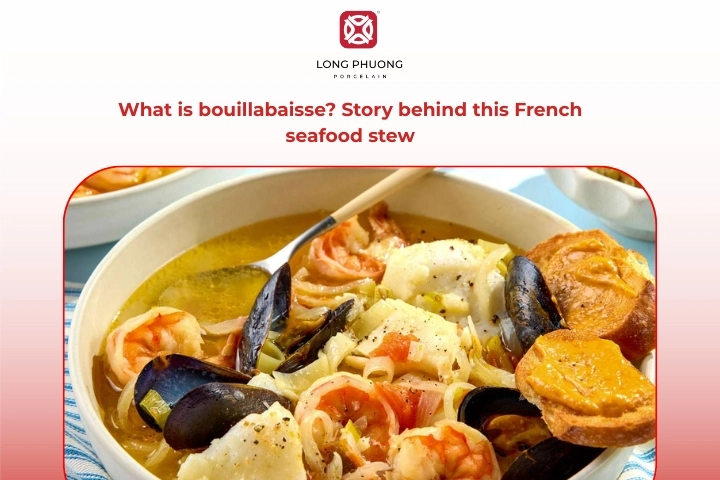
Over time, bouillabaisse evolved. What started as a humble stew is now a celebrated culinary tradition, often served in fine restaurants. Yet the charm remains the same—a deep, aromatic broth and tender pieces of fish gently poached to perfection.
The name itself comes from two French verbs: bouillir (to boil) and abaisser (to reduce). This reflects the cooking method: the broth is brought to a boil, then reduced to concentrate its flavor.
2. What are the main ingredients in bouillabaisse recipe?
A great bouillabaisse recipe hinges on two things: fresh seafood and a powerful, flavorful foundation. Don’t skimp on quality here—it makes all the difference.

| Category | Essential Ingredients | Notes for Home Cooks |
| The Broth Base | Onions, Leeks, Tomatoes, Garlic, Fennel Bulb | Fennel is crucial for the classic anise flavor. Use high-quality, whole peeled tomatoes. |
| The Aromatics | Olive Oil, Saffron Threads, Bay Leaves, Orange Peel, Thyme | Saffron provides the signature color and flavor. Orange peel adds a subtle, fragrant bitterness. |
| The Liquid | Fish Stock, Dry White Wine | Homemade fish stock is best. If buying, choose a high-quality, low-sodium stock. |
| The Seafood | White Fish Fillets (Cod, Halibut, Snapper, etc.), Shellfish (Mussels, Clams, Shrimp) | Aim for at least 3 types of fish/shellfish. For authenticity, include a fatty, bony fish for the stock base. |
| The Garnish | Rouille (Garlic-Saffron Aioli), Baguette Slices, Parsley | Rouille is non-negotiable! It adds spice, depth, and richness to the broth. |
Note on Fish: The traditional bouillabaisse recipe calls for Mediterranean rockfish. Since these are often unavailable outside of France, a mix of firm, white-fleshed fish works perfectly. Avoid overly delicate or oily fish.
3. How to make the perfect French bouillabaisse
This simplified bouillabaisse recipe focuses on building deep layers of flavor, making it manageable for any home kitchen.
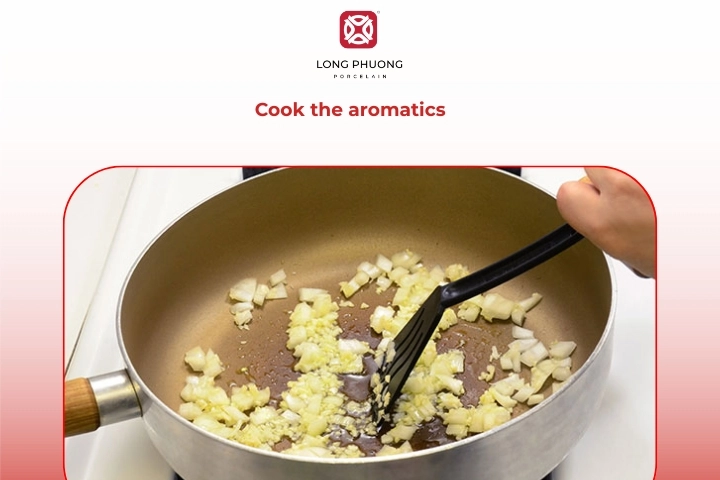
3.1. Cook the aromatics
In a large, heavy-bottomed pot or Dutch oven, heat the olive oil over medium heat. Add the chopped onions, leeks, and fennel. Sauté gently until the vegetables soften and are translucent—about 10–12 minutes.
3.2. Simmer with stock
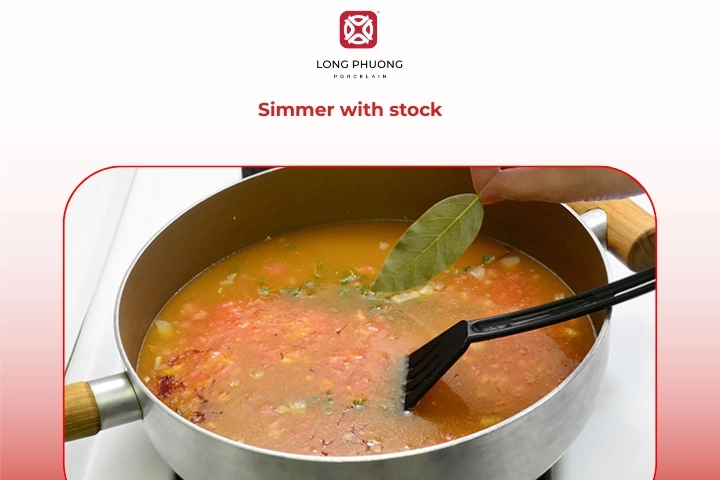
Add the diced tomatoes, white wine, fish stock, saffron, bay leaves, orange peel, and thyme. Bring the mixture to a rapid boil (bolhir). Once boiling, immediately reduce the heat and let it simmer gently (abaissar) for 45 minutes to 1 hour. This long, slow simmer is key to infusing the broth with all the complex flavors. Season generously with salt and pepper.
3.3. Blend and strain the broth
This step is essential for a restaurant-quality texture. Remove the bay leaves and orange peel. Carefully transfer the broth and vegetables to a blender. Blend until completely smooth.
Next, strain the broth through a fine-mesh sieve into a clean pot. Use the back of a spoon or a ladle to press as much liquid and purée as possible through the sieve. Discard the remaining solids. This smooth, rich liquid is the heart of your bouillabaisse recipe.

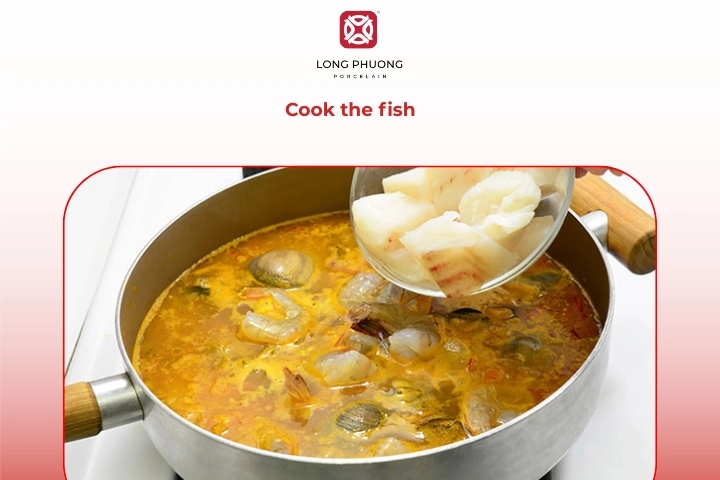
3.4. Cook the fish
Bring the strained broth back to a gentle simmer. Add the firmest fish pieces first and cook for 3–4 minutes. Then add the softer fish (like shrimp) and the shellfish (mussels, clams). Cover the pot and simmer until the fish is opaque and cooked through, and the mussels/clams have opened (about 5–7 minutes total).
3.5. Serve the bouillabaisse
The traditional way to serve is in two courses, but for the home cook, a single, impressive presentation is common. Ladle the broth and an assortment of fish/shellfish into deep, warm soup bowls.

4. Video tutorial how to make the best bouillabaisse at home
5. Cioppino vs. bouillabaisse: What’s the difference?
Many people compare cioppino and bouillabaisse because both are seafood stews. However, they come from completely different traditions.
| Feature | Bouillabaisse (French) | Cioppino (Italian-American) |
| Origin | Marseille, France | San Francisco, USA (by Italian immigrants) |
| Broth Flavor | Saffron, Fennel, Orange Peel, Dried Herbs (subtle anise) | Oregano, Basil, Red Pepper Flakes (more Italian herbal notes and often spicier) |
| Base | Vegetable and Fish Broth, Puréed and Strained | Tomato-heavy Broth (often chunky, not strained) |
| Serving | Traditionally, broth and fish are served separately. Accompanied by Rouille. | Served all together in one bowl. Accompanied by crusty bread. |
| Spiciness | Mild, heat comes from the Rouille | Often spicier, with red pepper flakes in the broth itself. |
Both are delicious, but if you’re looking for the refined, aromatic, and historical French dish, you need the authentic bouillabaisse recipe.
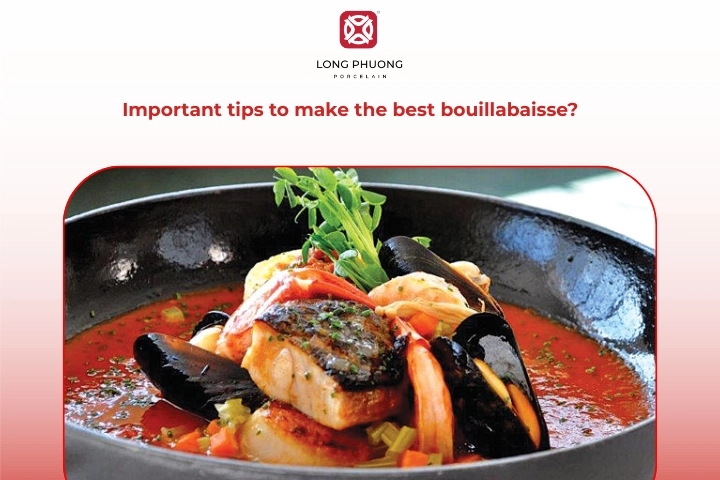
6. Important tips to make the best bouillabaisse?
To master a home-cooked bouillabaisse recipe, keep these tips in mind:
- Make Your Own Fish Stock: This is the single most important tip. Use fish bones, heads (no gills), onions, celery, and water. A homemade stock elevates your bouillabaisse recipe from good to exceptional.
- Don’t Rush the Saffron: Saffron needs time to bloom and release its color and flavor. Add it early with the stock and let it simmer for the full 45–60 minutes.
- Keep Seafood Separate: Cook the fish and shellfish at the very end. Overcooked fish is dry and chewy. Add them in stages based on their firmness (hardest first, softest last).
7. What to serve with bouillabaisse?
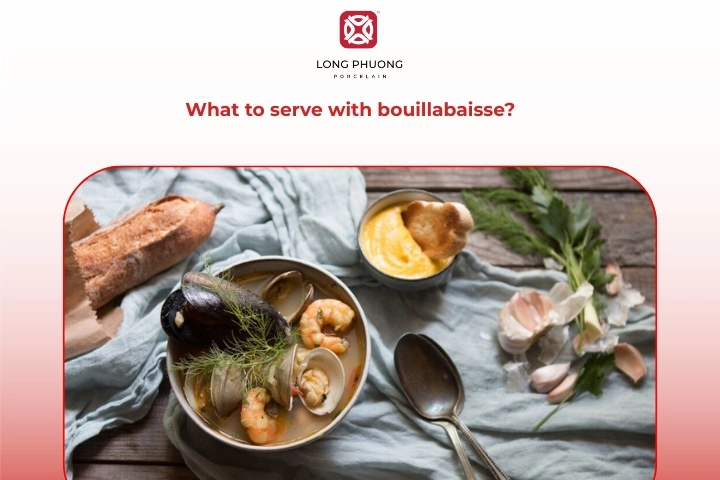
While traditionally served with just the bread and rouille, a few simple side dishes can complement the richness of the stew beautifully.
7.1. Arugula & fennel salad with lemon vinaigrette
A crisp, peppery salad cuts through the richness of the seafood broth. The light, acidic lemon vinaigrette provides a refreshing contrast.
7.2. Green beans almondine
A classic French side. Blanched green beans tossed in butter with slivered almonds adds a lovely texture and a familiar, comforting flavor.
7.3. Crème brûlée
Finish your French feast with a creamy, vanilla-infused dessert featuring a shatteringly crisp caramelized sugar top. It’s the perfect sweet ending.
8. FAQs

8.1. What country is bouillabaisse from?
Bouillabaisse recipe originates from Marseille, a coastal city in southern France. It was created by fishermen who used leftover fish to prepare a warm, comforting stew.
8.2. Is bouillabaisse spicy?
No. Traditional bouillabaisse is aromatic, not spicy. Its flavor comes from saffron, fennel, garlic, and herbs.
8.3. How long bouillabaisse lasts in the fridge
Bouillabaisse can be stored for up to 2 days in the refrigerator. However, seafood tastes best when fresh, so it’s recommended to enjoy it the same day.
8.4. What are common mistakes making fish stew?
– Using poor-quality stock: This is the most critical mistake. Use high-quality fish stock, not vegetable or chicken stock.
– Overcooking the fish: Fish should be added just minutes before serving to prevent it from becoming tough and falling apart.
– Forgetting to strain: Not straining the broth leaves a chunky, rustic texture, which differs from the refined, silky broth of authentic bouillabaisse recipe.
8.5. Do you put potatoes in bouillabaisse?
Some modern variations include potatoes, but traditional bouillabaisse recipe does not. The focus remains on fish and aromatic broth.
8.6. Can bouillabaisse be made without alcohol?
Yes. You can substitute white wine with extra fish stock or a splash of lemon juice for brightness.
8.7. Why does bouillabaisse take 2 days?
A true, classic bouillabaisse recipe takes two days because the fish stock and the main broth (sections 3.1–3.3) are made on Day 1. This allows the flavors to deepen overnight. On Day 2, you simply reheat the broth and cook the fresh fish.
Related articles
Long Phuong Group Joint Stock Company
- Phone number: (+84) 989 595 866
- Email: export@longphuong.vn
- Factory: Hap Linh Industrial Cluster, Hap Linh, Bac Ninh, Vietnam
- Showroom Ha Noi: 59 Cua Bac, Ba Dinh Ward, Hanoi, Vietnam
- Showroom Ha Noi: 37 Cua Nam, Cua Nam Ward, Hanoi, Vietnam
- Showroom TP. Ho Chi Minh: 127 Le Thi Rieng, Ben Thanh Ward, Ho Chi Minh, Vietnam

CEO of Long Phuong Group Joint Stock Company, with more than 20 years of exploration and research to obtain the best formulas and professional experience, Long Phuong Porcelain has produced more than 400 designs of all kinds of household porcelain, Significant contributions to Vietnam's ceramic industry.

